“….if by a liberal they mean someone who looks ahead and not behind, someone who welcomes new ideas without rigid reactions, someone who cares about the welfare of the people- their health, their housing, their schools, their jobs, their civil rights, their civil liberties.. if that is what they mean by a “liberal” then I am proud to be a liberal. “ ~ John F. Kennedy
What It Really Means to Be “Liberal”
John F. Kennedy’s statement is less about political labels and more about values—and that distinction matters now more than ever.
When he says “someone who looks ahead and not behind,” he’s pointing to a mindset rooted in progress. This is not about dismissing history, but about refusing to be trapped by it. It’s about recognizing that the challenges of today—whether economic inequality, public health, or climate change—require forward-thinking solutions, not nostalgia.
“Welcomes new ideas without rigid reactions” speaks to intellectual openness. In practice, this means being willing to adapt when new evidence emerges, whether that’s scientific consensus on climate systems, evolving understandings of social justice, or innovations in clean energy. It’s a rejection of dogma in favor of curiosity and problem-solving.
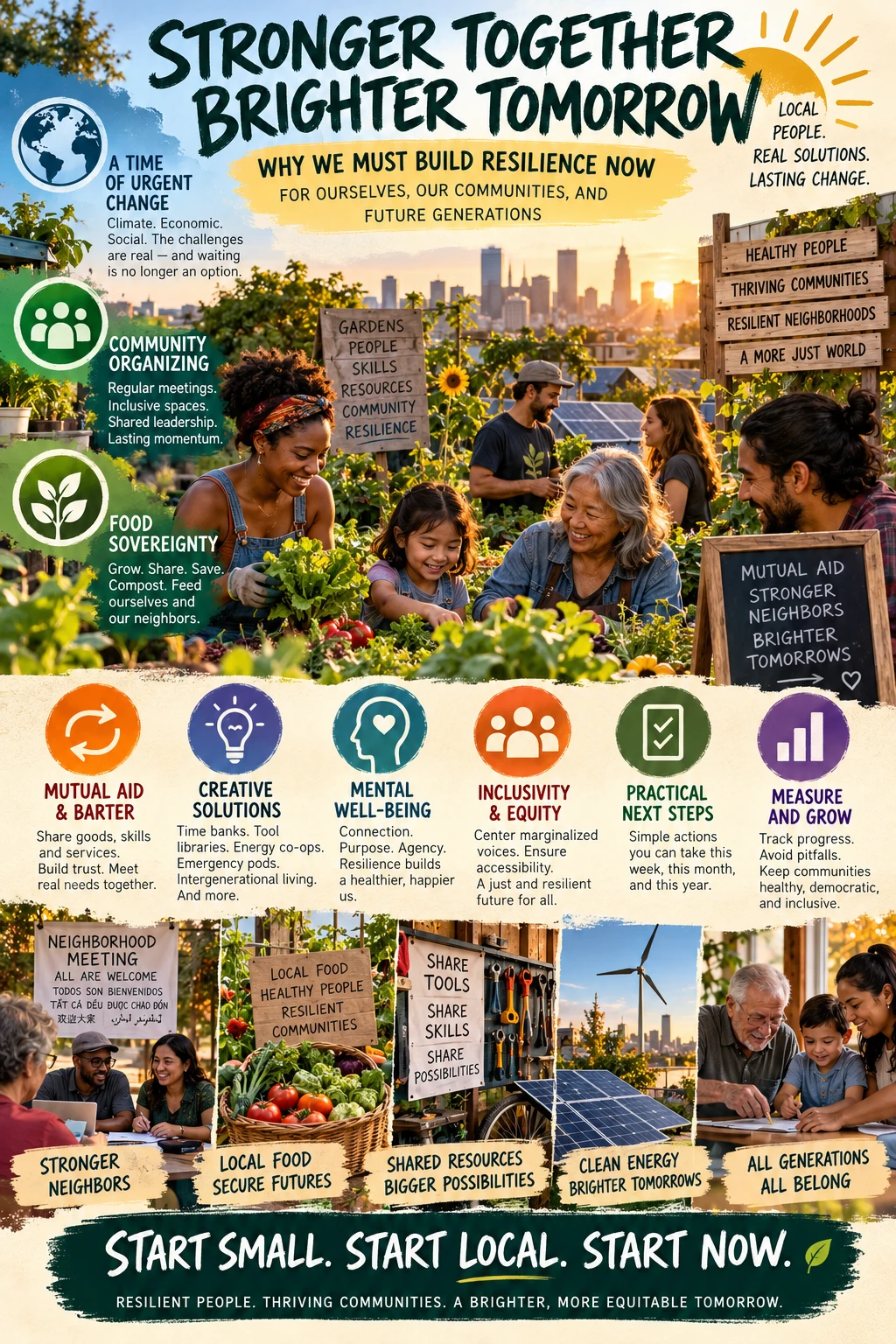
Kennedy then grounds this philosophy in tangible human concerns: health, housing, education, jobs, civil rights, and civil liberties. This is where the quote becomes especially concrete. Being “liberal,” in this framing, is not abstract—it is measured by how much one prioritizes the well-being of people in everyday life.
In a modern context, these priorities map directly onto some of the most urgent issues we face:
-
Health includes not just access to care, but also environmental health—clean air, safe water, and protection from climate-driven disasters.
-
Housing intersects with climate resilience, urban planning, and affordability.
-
Jobs increasingly means supporting transitions to sustainable industries and green economies.
-
Civil rights and liberties now extend into digital privacy, environmental justice, and equitable access to resources.
The quote also subtly challenges how political language is used. Labels like “liberal” are often weaponized or reduced to caricatures. Kennedy reframes the term by anchoring it in widely shared human values—care, openness, and responsibility to others.
At its core, the message is this: if believing in progress, evidence, and the dignity and well-being of all people defines a label, then that label is something to stand behind—not shy away from.
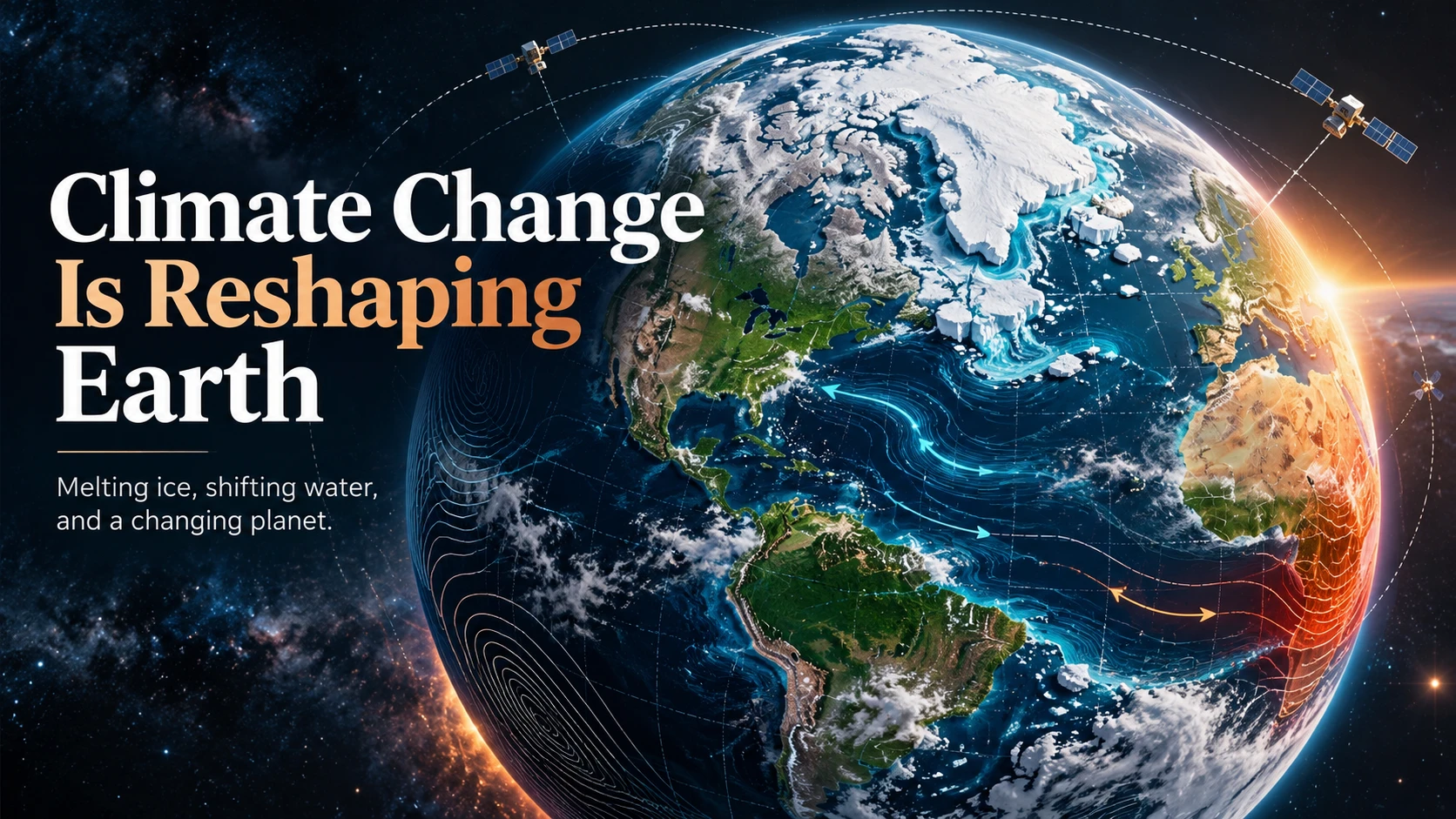
In today’s world, especially amid the climate emergency, this perspective becomes even more relevant. Looking ahead is no longer optional; it is necessary. Welcoming new ideas is not just admirable; it is survival. And caring about people means ensuring that future generations inherit a livable planet.
Kennedy’s words endure not because of the label he defends, but because of the principles he defines.