Freedom Isn’t Abstract—It’s Material, Cultural, and Chosen
John Dewey cuts through a common illusion: that liberty is a fixed idea we’ve already achieved. Instead, he argues that freedom is something lived—and often something still denied.
When Dewey writes that liberty “in the concrete” means release from oppressive forces, he’s grounding freedom in real-world conditions. Historically, that meant emancipation from systems like slavery or exploitative labor. But he pushes further: in modern society, freedom is not just about the absence of overt domination—it is about the presence of security and access.
“Liberation from material insecurity” is a powerful reframing. A person who lacks stable housing, healthcare, or income is not fully free in any meaningful sense. Their choices are constrained by necessity. Similarly, when people are excluded—economically, socially, or politically—from participating in education, culture, and public life, their freedom is diminished.
This idea resonates strongly today. Access to clean energy, safe environments, education, and digital infrastructure all shape who gets to participate fully in society. Freedom, in this sense, is not evenly distributed—it is structured by systems.
Dewey’s second quote explains why this inequality persists.
“The path of least resistance… is a mental rut already made.” Here, he is pointing to something deeply human: we default to familiar ways of thinking, even when they no longer serve us. Old beliefs—about markets, governance, social hierarchies, or even our relationship with nature—can become entrenched simply because they are comfortable.
Changing them requires effort. Not just intellectual effort, but social and political work. It means questioning assumptions that once felt “normal,” including systems that produce inequality or environmental harm.
Taken together, these quotes form a kind of challenge.
First: recognize that freedom is not just a principle—it is a condition. If people are constrained by poverty, exclusion, or environmental degradation, then liberty is incomplete.
Second: understand that expanding freedom requires changing how we think. The barriers are not only external systems, but also internal habits—our reluctance to rethink what we’ve long accepted.
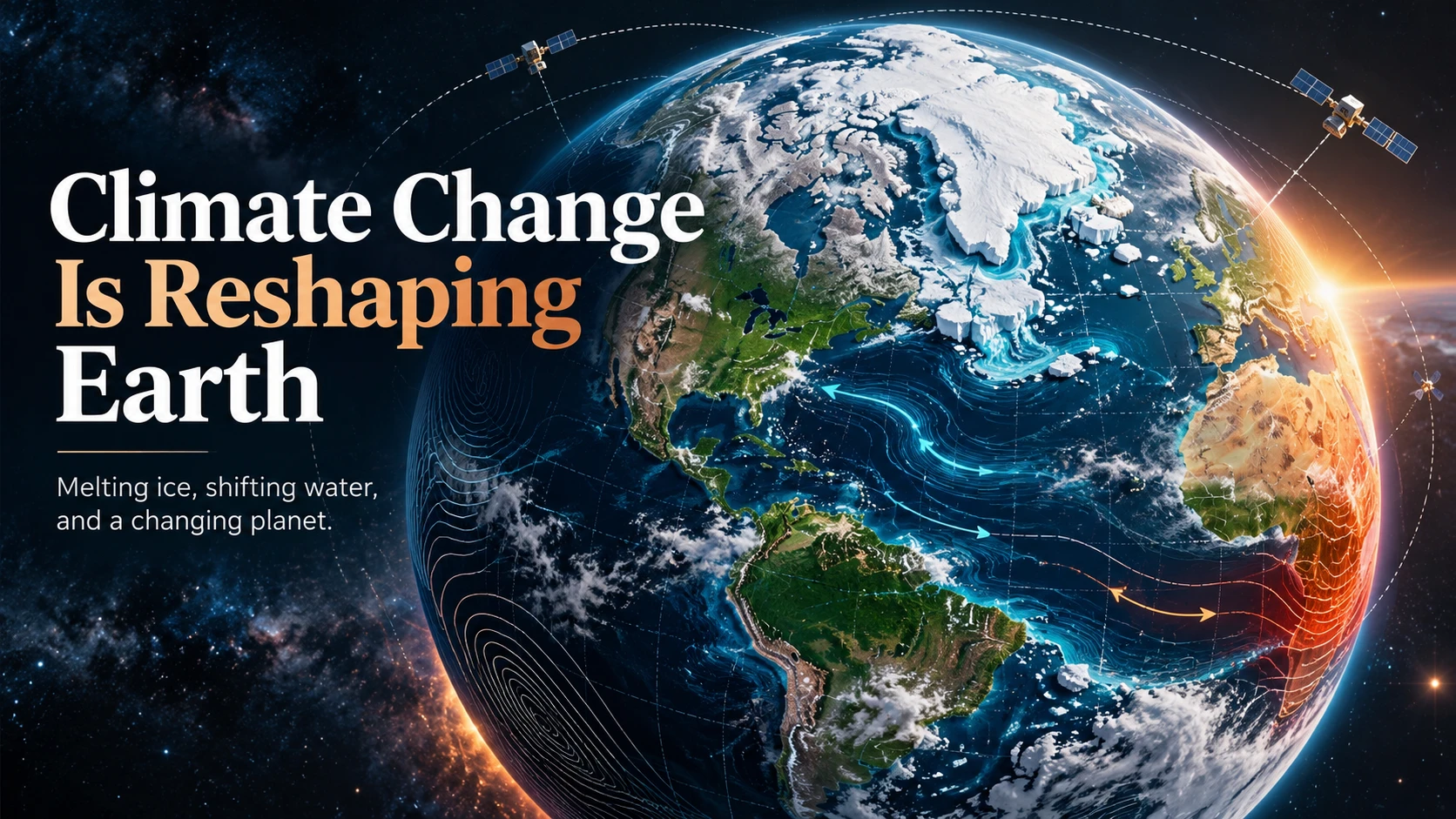
In the context of today’s challenges, especially the climate crisis, Dewey’s insight becomes even sharper. Fossil fuel dependence, extractive economics, and short-term thinking are not just policy choices—they are “mental ruts.” They persist because they are familiar, even when they are harmful.
Moving beyond them is difficult. It requires reimagining energy systems, economic priorities, and our obligations to one another and future generations. But Dewey would argue that this work is precisely what freedom demands.
Because liberty, in its fullest sense, is not just about being left alone—it is about having the real capacity to live, participate, and thrive.
“Liberty in the concrete signifies release from the impact of particular oppressive forces; emancipation from something once taken as a normal part of human life but now experienced as bondage… Today, it signifies liberation from material insecurity and from the coercions and repressions that prevent multitudes from participation in the vast cultural resources that are at hand.” — John Dewey
***
“The path of least resistance and least trouble is a mental rut already made. It requires troublesome work to undertake the alternation of old beliefs.” — John Dewey
***
(I retrieved the first quote from an article at Alternet)