‘We are still not treating the climate crisis like a crisis, and that needs to change’ – Greta Thunberg opens up about how her fight has evolved plus what has (and hasn’t) changed over the years.
Treating the Climate Crisis Like a Crisis
“We are still not treating the climate crisis like a crisis, and that needs to change.” — Greta Thunberg
Greta Thunberg’s words remain direct because the situation remains urgent. The climate crisis is often discussed, studied, debated, and reported on, but far too often it is still treated as something distant, optional, or politically negotiable. A true crisis demands a different level of honesty, speed, coordination, and moral seriousness.
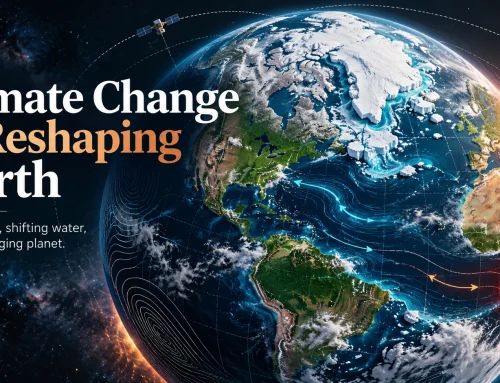
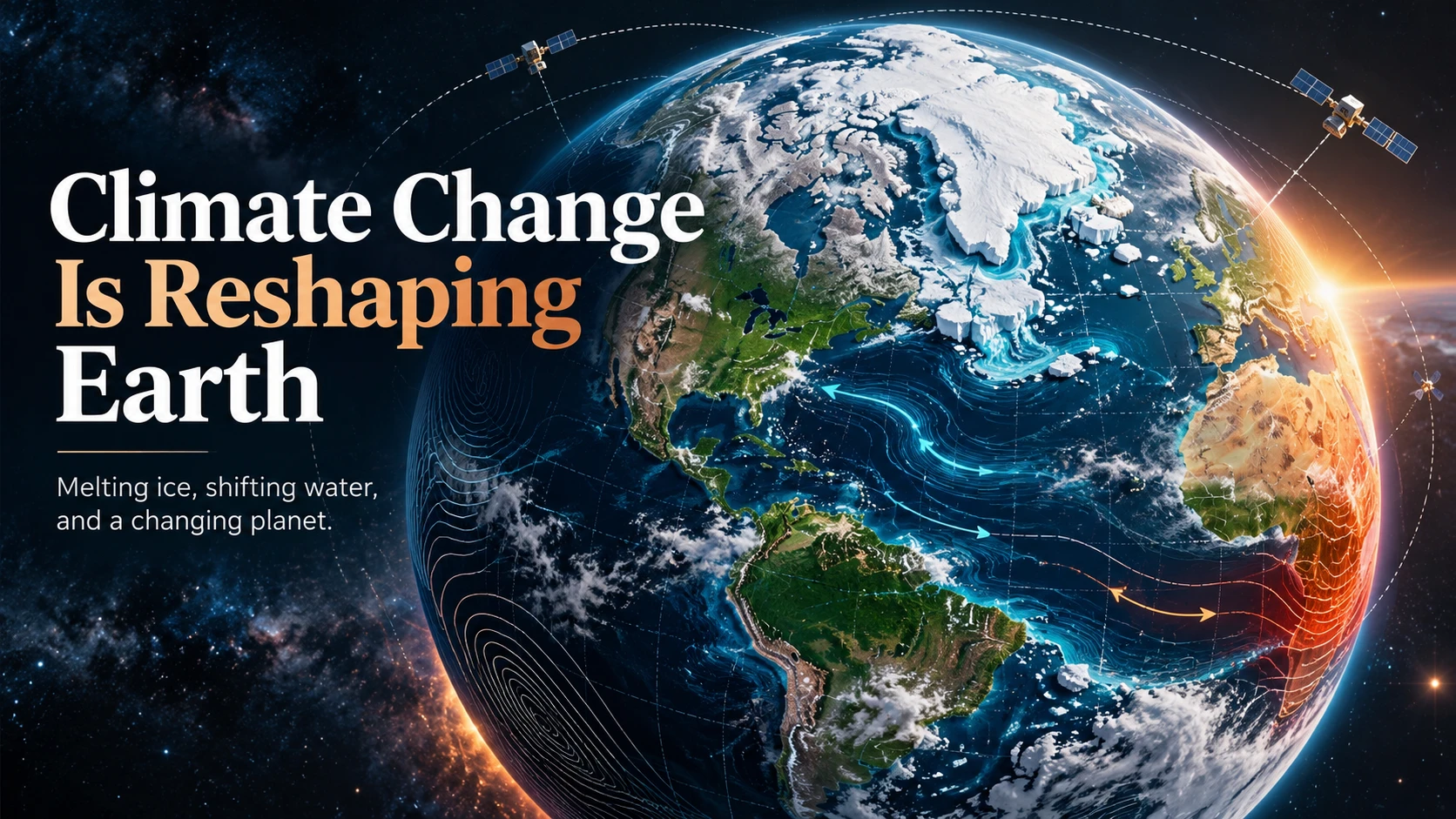
In modern times, we can see the contradiction clearly. Communities face stronger storms, deadly heat, rising seas, flooding, drought, smoke-filled skies, damaged ecosystems, and growing instability. Yet many institutions continue to behave as if small adjustments, delayed targets, and public relations language are enough. The gap between what science says is necessary and what society actually does is still dangerously wide.
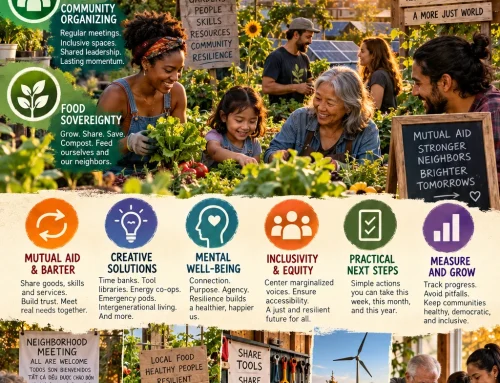
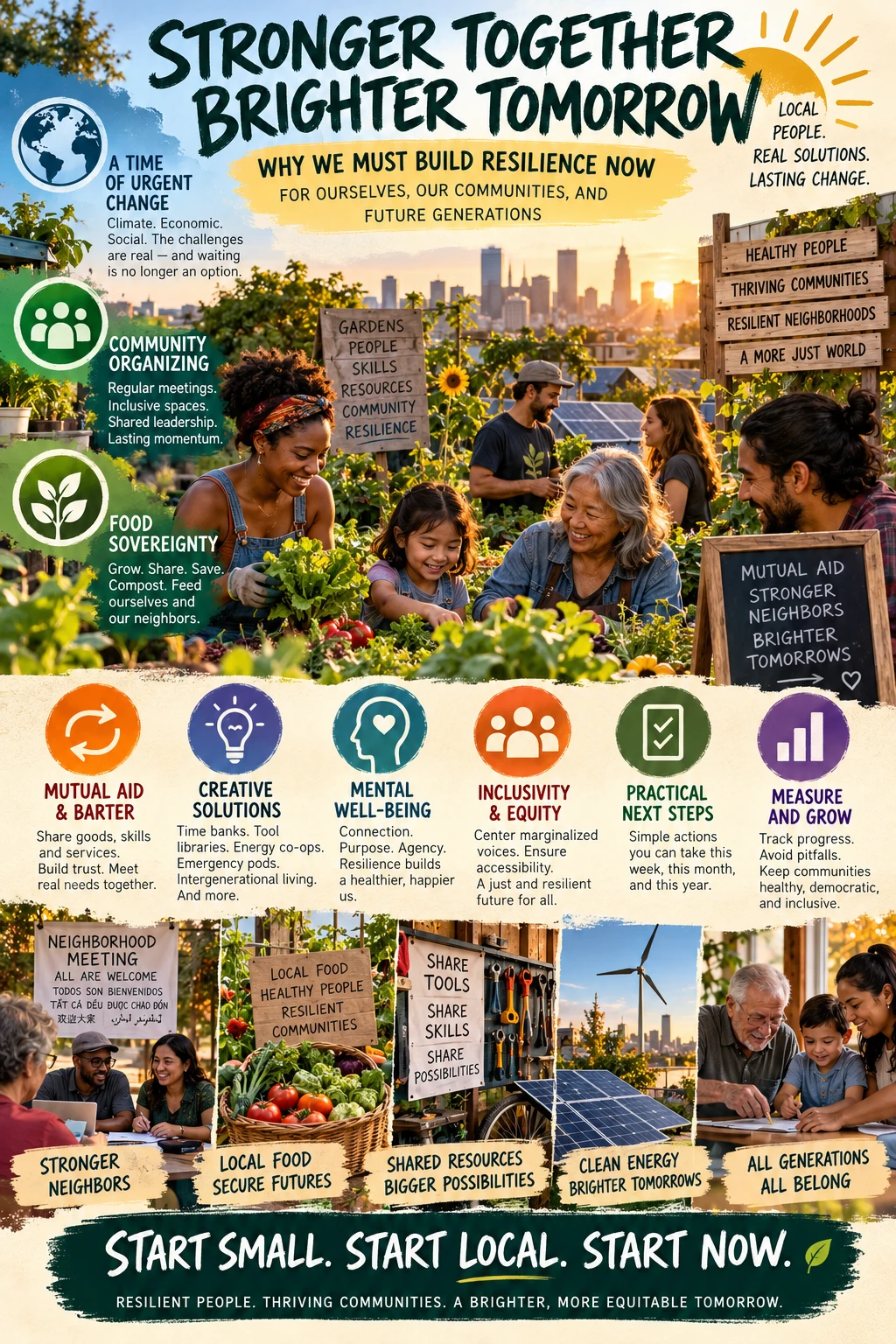
This quote also challenges everyday people, not just governments and corporations. Treating the climate crisis like a crisis does not mean living in panic. It means living with clarity. It means recognizing that the systems we depend on—energy, food, transportation, housing, water, public health, and emergency response—must be transformed with seriousness and care.
Over the years, Greta’s message has evolved from a school strike into a global moral challenge. The core of that challenge is simple: listen to the science, protect the vulnerable, stop pretending delay is responsible, and act as though the future matters. Her words remind us that awareness alone is not the same as action.
The climate crisis is not only an environmental issue. It is a justice issue, a survival issue, a leadership issue, and a community resilience issue. To treat it like a crisis is to prepare, adapt, reduce harm, and build systems that honor life over short-term convenience. That change is still possible—but only if we stop acting as though tomorrow will fix itself.