Creativity Is No Longer Optional
“Corazza is a full-time professor at the Alma Mater Studiorum at the University of Bologna, a member of the Executive Council, and the founder of the Marconi Institute of Creativity. He teaches science and the applications of creative thinking.”
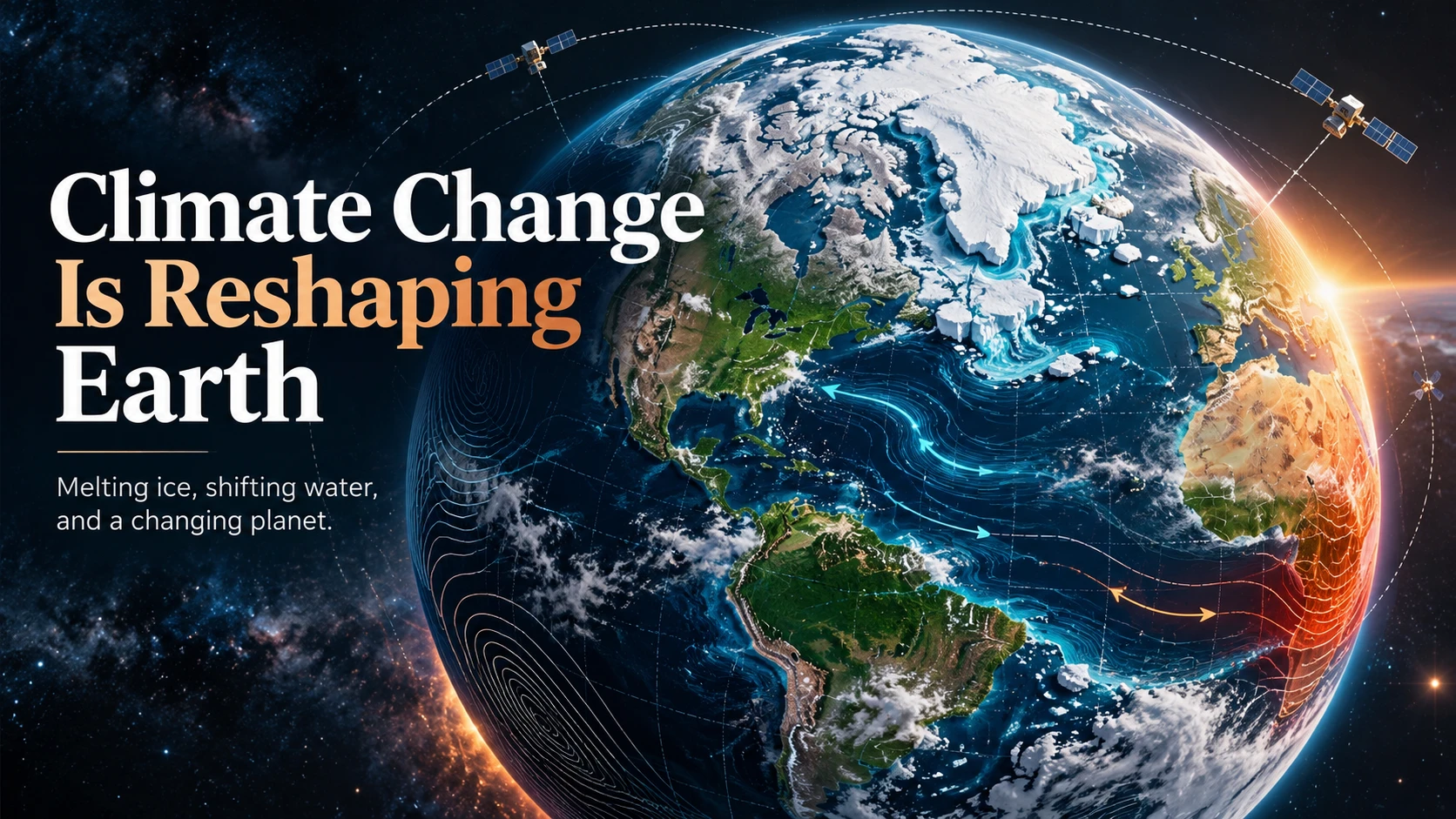
In a world facing climate disruption, technological acceleration, social instability, and ecological uncertainty, creativity can no longer be treated as a decorative skill. It is not just for artists, writers, designers, or inventors. Creativity has become a survival capacity: the ability to imagine new pathways when old systems are no longer working.
Giovanni Corazza’s work points toward an important modern truth: creative thinking can be studied, practiced, and applied. It is not merely a random spark of inspiration. It can become a discipline—something we cultivate through curiosity, experimentation, reflection, and the courage to move beyond routine assumptions.
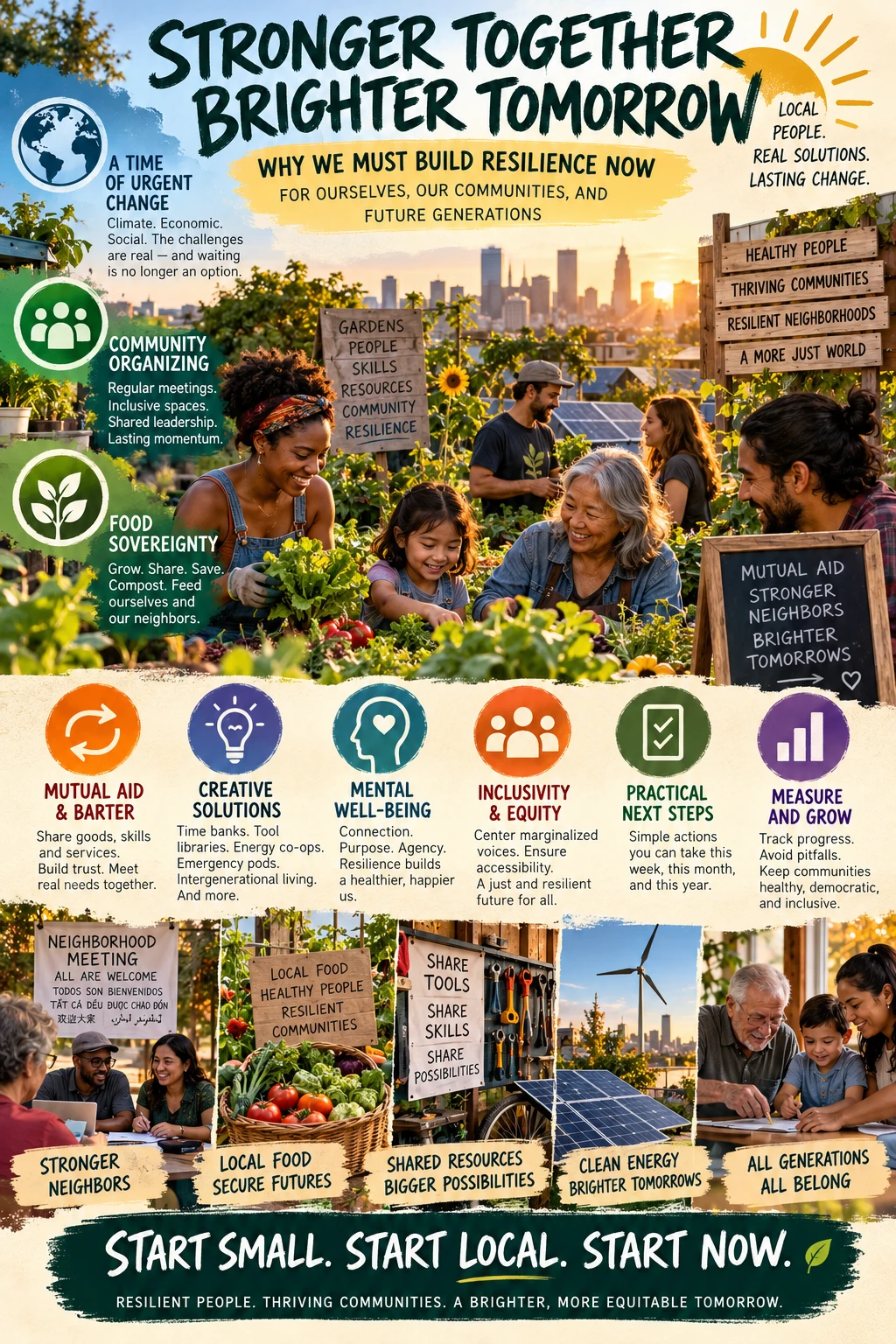
This matters deeply in the climate and ecological emergency. The future will not be protected by repeating the same patterns that created the crisis. Communities need new models of cooperation, resilience, education, energy use, land care, food systems, and public communication. Creativity becomes the bridge between knowledge and action.
Science helps us understand what is happening. Creative thinking helps us imagine what must happen next. When the two work together, we move from passive awareness to active transformation. That combination is essential for climate adaptation, community organizing, policy design, and long-term survival.
Corazza’s example reminds us that creativity is not an escape from reality. It is one of the most practical ways to respond to reality. In modern times, the people and communities that learn to think creatively, collectively, and courageously will be better prepared to face disruption—and to build something wiser from it.