(Actually written close to several years ago… disregard reading if you like, posted for my own follow-up)
“Social media spark a revelation that we, the people, have a voice, and through the democratization of content and ideas we can once again unite around common passions, inspire movements, and ignite change.” — Brian Solis
This quote reminds us that social media, at its best, is not merely a tool for entertainment, self-promotion, or endless distraction. It is a public square, a storytelling engine, and a movement-building space where ordinary people can become visible, connected, and heard.
For much of history, the power to shape public opinion belonged to a small group of gatekeepers: publishers, broadcasters, political elites, corporate media, and institutions with the resources to control the message. Social media disrupted that arrangement. It gave people the ability to publish their own experiences, share their own analysis, challenge official narratives, and gather around shared concerns without needing permission from traditional authorities.
That is the revelation Solis points toward: we have a voice.
But voice alone is not enough. A voice becomes powerful when it connects with other voices. A post becomes meaningful when it helps someone feel less alone. An idea becomes transformative when it moves from personal expression into collective purpose.
This is where the democratization of content matters. When people can create, respond, remix, educate, organize, and amplify one another, they are no longer passive consumers of information. They become participants in culture. They become witnesses. They become educators. They become organizers.
And when enough people begin to recognize a shared truth, a movement can begin.
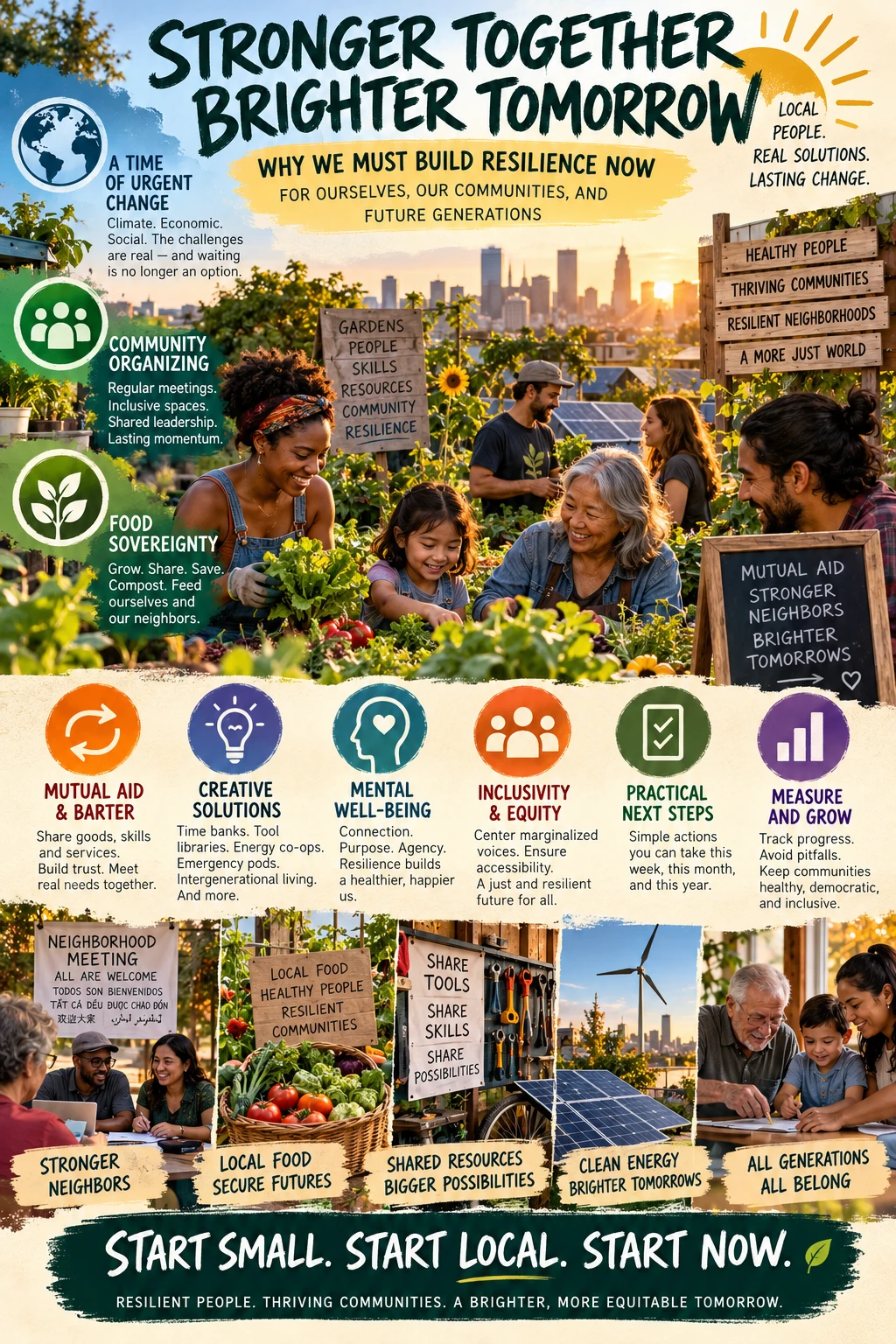
For climate and ecological work, this is especially important. The crises we face are vast, complex, and often overwhelming. Many people feel isolated in their concern. Many know something is wrong but do not know where to place their energy. Social media can help turn private anxiety into public conversation, and public conversation into collective action.
It can connect the scientist, the student, the parent, the farmer, the artist, the organizer, the policymaker, the frontline community member, and the concerned neighbor. It can help people see patterns. It can expose greenwashing. It can challenge delay. It can lift up solutions. It can build solidarity across distance.
Yet the same tools that help us unite can also divide, distract, and manipulate. Social media can amplify outrage without direction, information without wisdom, visibility without accountability, and noise without change. That means the real challenge is not simply to use social media, but to use it with intention.
The goal should not be attention for its own sake.
The goal should be connection.
The goal should be clarity.
The goal should be trust.
The goal should be action.
To “ignite change,” we need more than viral moments. We need communities that can learn together, organize together, disagree honestly, remain grounded, and keep showing up after the initial spark fades. Movements are not built only through posts. They are built through relationships, shared values, repeated effort, and the courage to turn digital awareness into real-world engagement.
Solis’s quote is hopeful because it recognizes something deeply human: people want to be part of something meaningful. They want to gather around common passions. They want to feel that their voice matters. They want to contribute to change.
The opportunity before us is to transform social media from a marketplace of attention into an ecosystem of participation.
Used carelessly, it can scatter us.
Used wisely, it can gather us.
Used selfishly, it can inflate ego.
Used collectively, it can build power.
The voice of the people is not automatic. It must be cultivated, protected, and directed toward purpose. But when people find one another, name what matters, and organize around a shared vision, social media can become more than a platform.
It can become a bridge between awareness and action.
It can become a tool for democratic renewal.
It can become one of the places where change begins.