(Actually written close to several years ago… disregard reading if you like, posted for my own follow-up)
One of the most successful lies of the modern age is that the climate and ecological emergency can be solved by better shopping.
Bring the reusable cup. Buy the greener brand. Choose the paper straw. Recycle the container. Offset the flight. Upgrade the appliance. Replace the product. Vote with your wallet.
There is nothing wrong with reducing personal waste. There is nothing wrong with trying to live more carefully. But personal consumer choices have been used to shrink a planetary emergency down to a lifestyle checklist.
That is the trap.
The crisis we face is not mainly a problem of imperfect individual behavior. It is a crisis of systems: energy systems, food systems, transportation systems, housing systems, financial systems, political systems, and economic systems built around extraction, growth, disposability, and concentrated wealth.
We have been trained to look down at our coffee cups while the world’s forests are cleared, oceans heat, rivers dry, species vanish, and climate systems begin to flicker.
That word matters: flicker.
When complex systems approach tipping points, they often become unstable before they shift. The signals become harder to ignore: record heat, failed rains, flooded cities, crop stress, wildfire smoke, coral die-offs, melting ice, weakened ocean circulation, and ecological disruption spreading across regions.
These are not isolated “natural disasters.”
They are warning lights on the dashboard of a destabilized planet.
And still, much of the public conversation remains trapped in the politics of smallness. We are asked to perform concern through consumption while the machinery of destruction continues almost untouched. The public is handed moral responsibility without being handed structural power.
That arrangement is convenient for the powerful.
It allows corporations to sell “sustainable” versions of overconsumption.
It allows governments to praise voluntary action while avoiding binding regulation.
It allows billionaires and investors to present themselves as climate saviors while protecting the economic model that made them rich.
It allows media systems to focus on individual habits instead of concentrated power.
Most importantly, it turns citizens into consumers.
Citizens organize. Consumers choose.
Citizens demand rights, rules, accountability, and public investment. Consumers compare labels.
Citizens can challenge power. Consumers are told to manage guilt.
This is why the climate conversation must grow up.
The question is not whether we should use less plastic or waste less food. Of course we should. The question is whether those personal actions are being used as substitutes for the deeper changes required to keep society livable.
We cannot reusable-bag our way out of ecological overshoot.
We cannot compost our way out of fossil fuel dependency.
We cannot shop our way out of an economic system that treats the living world as raw material and future generations as a dumping ground.
Real action must happen at the scale of the crisis.
That means rapidly phasing down fossil fuels. Protecting and restoring ecosystems. Transforming food systems. Reducing material throughput. Building public transit and walkable communities. Retrofitting housing. Ending planned obsolescence. Designing reuse systems. Regulating destructive industries. Taxing extreme wealth. Expanding democratic control over energy, land, finance, and infrastructure.
It also means confronting a harder truth: rich societies and rich people must consume less.
Not slightly greener.
Less.
The fantasy of “leveling up” everyone into high-consumption lifestyles is physically impossible on a finite planet. Justice does not mean giving every person access to the wasteful habits of the wealthy. Justice means ensuring every person has enough to live with dignity while eliminating the obscene excess that destabilizes the biosphere.
That is what “leveling down” means at its best.
Not austerity for the poor.
Not sacrifice demanded from those who already have too little.
But a deliberate reduction of excess at the top, paired with security, repair, and abundance where it actually matters: clean air, clean water, healthy food, safe homes, public healthcare, education, care work, community resilience, meaningful work, time, culture, and democratic belonging.
The good life does not have to mean endless accumulation.
In fact, endless accumulation is now making a good life impossible.
The climate and ecological emergency is exposing the moral emptiness of a system that confuses wealth with success, consumption with freedom, and growth with progress. A society can have more products and less safety. More billionaires and less democracy. More convenience and less future.
That is not progress.
That is collapse with better branding.
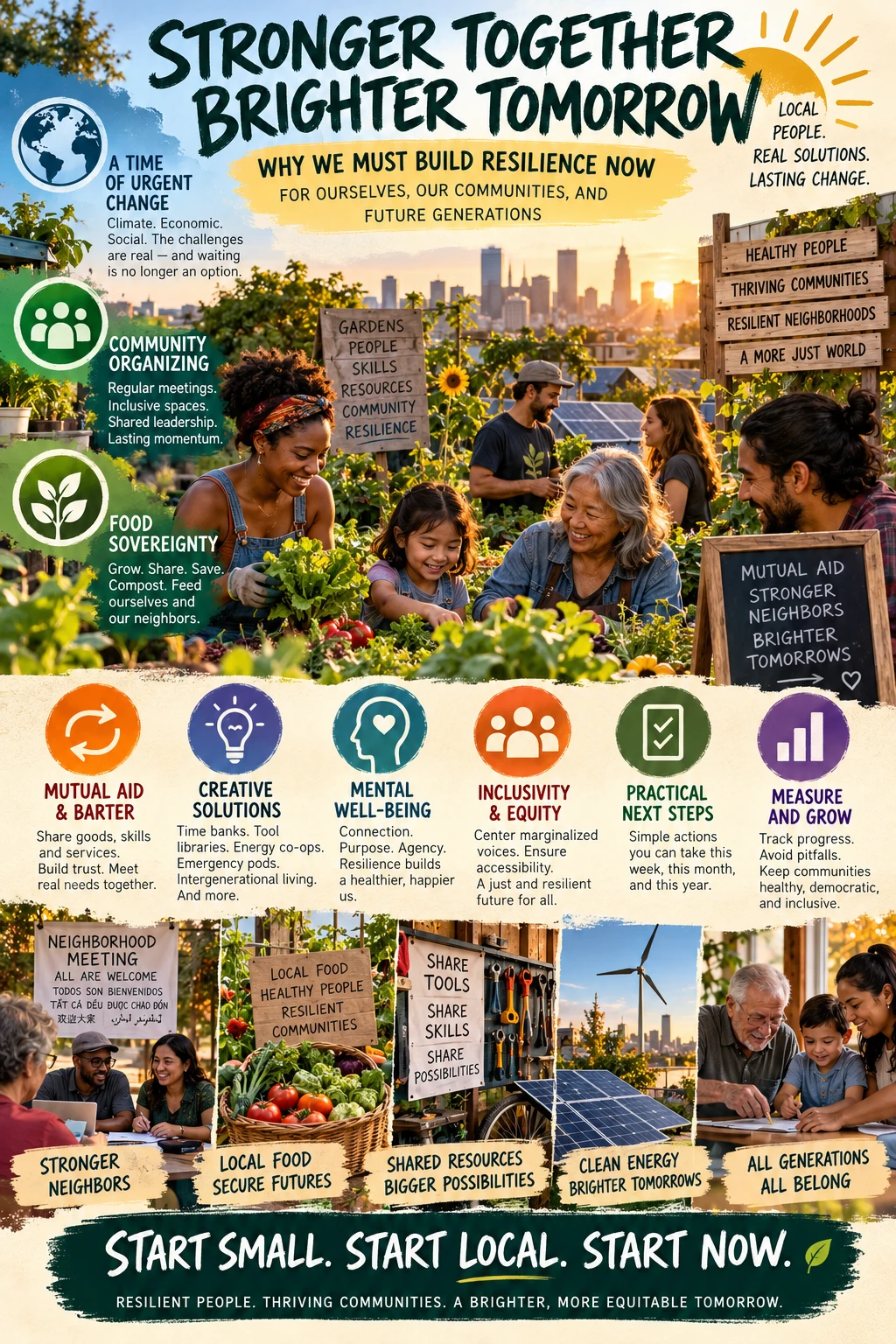
The work ahead is not to perfect ethical consumption inside a destructive economy. The work is to build a different economy: one designed around care, repair, sufficiency, ecological limits, and shared power.
Personal responsibility still matters. But it must be connected to collective responsibility.
Use less, yes.
Waste less, yes.
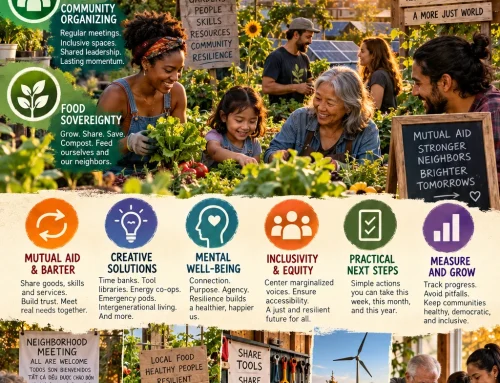
But also organize. Vote. pressure institutions. Join local climate and resilience work. Support strong regulation. Challenge greenwashing. Defend public goods. Build community systems. Demand that the largest polluters and wealth holders lose the power to decide the future for everyone else.
The age of symbolic lifestyle environmentalism is over.
The age of systemic ecological responsibility must begin.