“Men like war: they do not hold much sway over birth, so they make up for it with death. Unlike women, men menstruate by shedding other people’s blood.” – Lucy Ellman
War and the Failure to Create
Lucy Ellmann’s quote is deliberately uncomfortable. It forces us to confront war not as an abstract policy, but as an expression of power, fear, and wounded imagination.
Her words suggest that war often grows from a distorted relationship to life itself. Birth represents creation, dependence, vulnerability, and continuity. War represents control through destruction. Where creation requires care, war offers domination. Where birth brings life into the world, war removes it.
Ellmann’s language points toward a deeper criticism of violent masculinity. Not all men desire war, and not all women are naturally peaceful. But throughout history, many systems of power have treated war as a proving ground for strength, honor, leadership, and national identity. In that world, violence becomes a terrible substitute for tenderness, responsibility, and generative power.
The quote also challenges the stories societies tell about war. War is often wrapped in noble language: duty, glory, security, sacrifice. But beneath that language are bodies, families, grief, and communities that must live with the consequences. Ellmann strips away the romance and leaves us with the brutality.
Her point is not simply that war is wrong. It is that war reveals something broken in the way power imagines itself. A culture that glorifies destruction has lost touch with the deeper work of sustaining life.
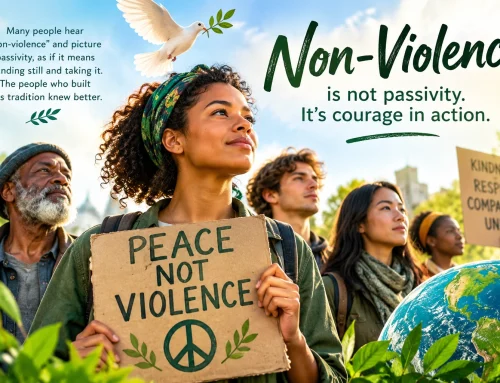
To reject war is not to reject courage. It is to redefine courage. Real courage may be the ability to protect life without worshiping violence. It may be the willingness to build, nurture, listen, repair, and refuse the old stories that make bloodshed seem inevitable.
A mature civilization should not measure greatness by its capacity to destroy. It should measure greatness by its capacity to preserve life.