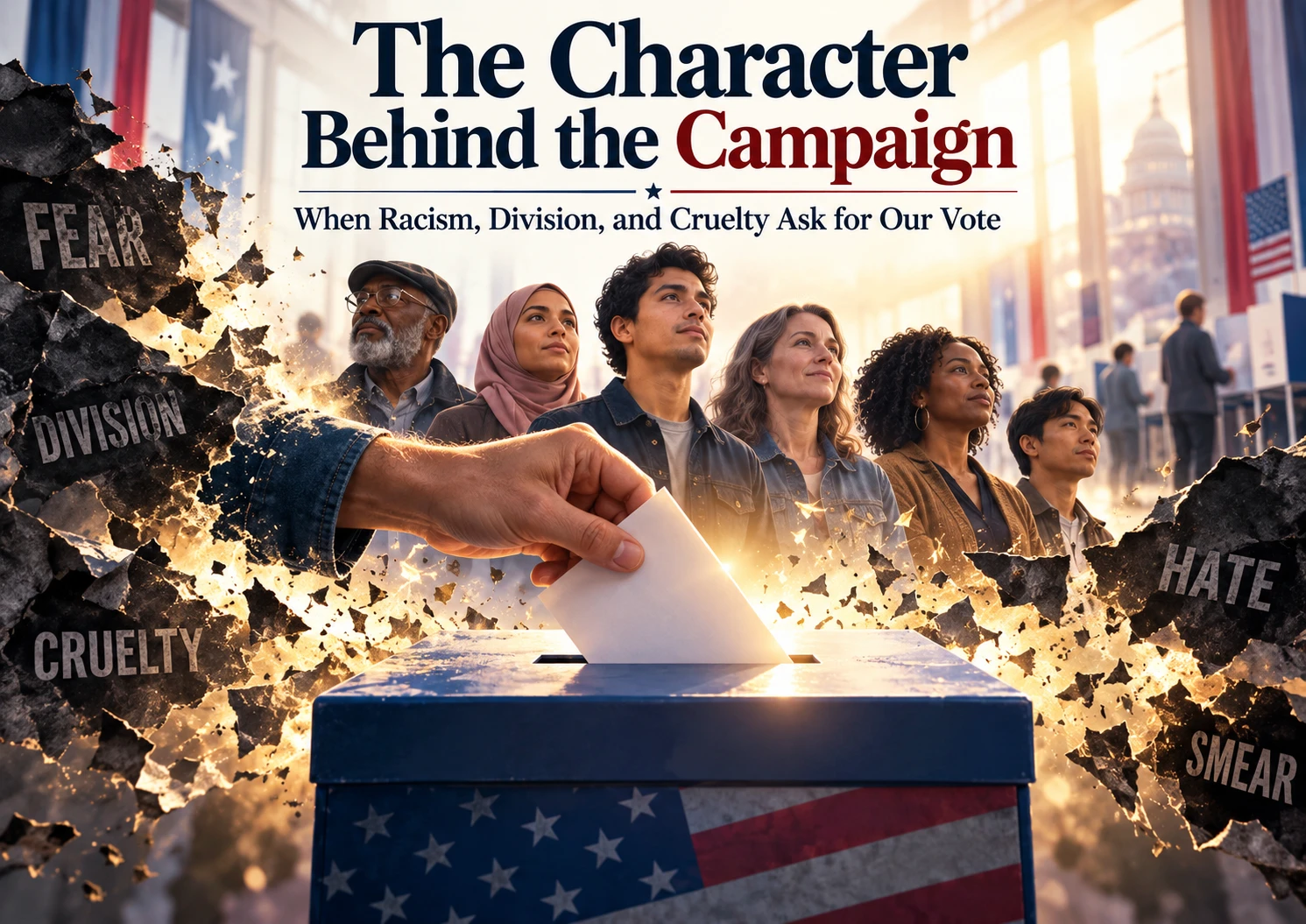
“We are not afraid to entrust the American people with unpleasant facts, foreign ideas, alien philosophies, and competitive values. For a nation that is afraid to let its people judge the truth and falsehood in an open market is afraid of its people.” – John Fitzgerald Kennedy
A Nation That Trusts Its People
John F. Kennedy’s words speak to one of the deepest principles of democracy: a free nation must trust its people with the truth.
That truth may be uncomfortable. It may include unpleasant facts, foreign ideas, unfamiliar philosophies, and values that compete with our own. But a confident society does not hide these things from its citizens. It allows people to examine, question, compare, debate, and decide.
Kennedy understood that censorship is not only a fear of dangerous ideas. It is also a fear of the people themselves. When leaders decide that citizens cannot be trusted to judge truth from falsehood, they weaken the very foundation of democratic life.
An open society depends on informed minds. It requires people who are exposed to disagreement, complexity, and perspectives beyond their own. Without that openness, public life becomes shallow. People may repeat approved opinions, but they lose the habit of independent judgment.
Freedom does not mean every idea is true or useful. It means people must be allowed to test ideas openly. Truth becomes stronger when it can stand in the light of questioning. Falsehood becomes weaker when it is challenged by evidence, reason, and honest debate.
A nation that trusts its people does not protect them from thought. It prepares them for thought. It gives them access to information, confidence in inquiry, and responsibility for judgment.
Kennedy’s warning remains powerful: when a nation becomes afraid of open discussion, it reveals a deeper fear. It is not only afraid of ideas. It is afraid of its own citizens.
A healthy democracy must choose the opposite path: openness over secrecy, trust over control, and truth-seeking over fear.