Follow-up: A Future for Children Requires More Than Survival
In 2020, a major WHO–UNICEF–Lancet Commission warned that no country was doing enough to protect children’s health, well-being, equity, and future on a livable planet.
That warning has only become more urgent.
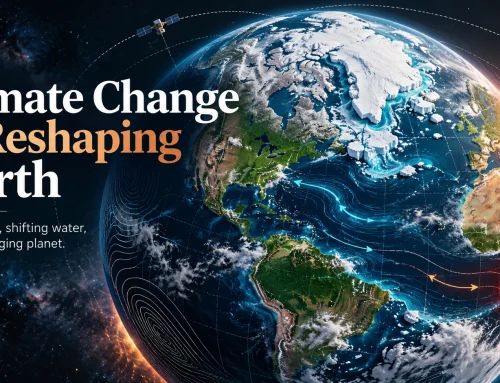
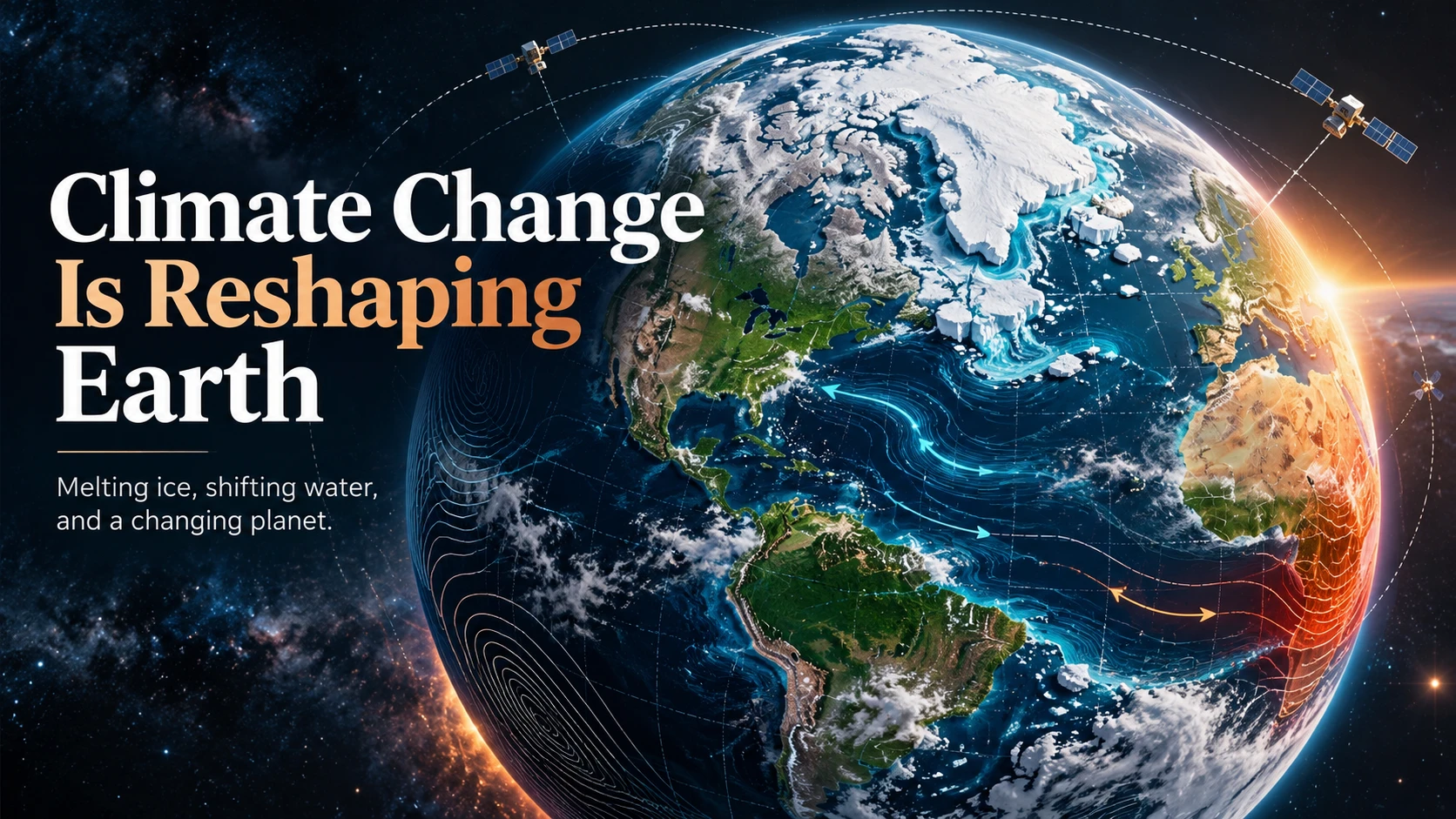
The climate crisis is not only threatening children through storms, heat, floods, wildfires, hunger, disease, and displacement. It is also threatening the conditions children need to grow, learn, breathe, play, and flourish.
This is the deeper message of the report: a country cannot claim to care about children while destroying the future they will inherit.
A child’s well-being is not separate from climate stability.
It is not separate from clean air, safe water, healthy food, secure housing, functioning schools, peaceful communities, and protection from exploitation.
And it is not separate from justice.
Wealthier countries often have better child survival and health outcomes, but many of those same countries have contributed disproportionately to the greenhouse gas emissions now threatening children everywhere. That creates a profound moral contradiction: some nations have built prosperity in ways that increase risk for the world’s children, especially children in countries and communities with fewer resources to adapt.
The follow-up today is even clearer.
Climate disruption is already interrupting education, harming health, increasing stress, worsening inequality, and placing children’s development at risk. Heat and air pollution can affect children’s lungs, brains, concentration, learning, and mental well-being. Climate disasters can close schools, damage homes, separate families, disrupt care, and leave long emotional shadows.
The original report also warned about another danger: predatory commercial practices.
That matters because children are not only threatened by climate change. They are also targeted by industries that profit from unhealthy food, pollution, overconsumption, fossil fuels, addictive digital design, and advertising that shapes behavior before young people are old enough to fully understand the manipulation.
So the question is not only: Are children surviving?
The question is: Are children flourishing?
Are they protected from climate harm?
Are they protected from exploitation?
Are they growing up in communities that are healthy, safe, fair, and resilient?
Are governments planning for the world children will actually inherit?
A serious child-centered climate agenda must include rapid emissions cuts, clean air, climate-resilient schools, safe housing, healthy food systems, disaster preparedness, mental health support, protection from harmful marketing, and real accountability for industries that profit while shifting risks onto children.
Children should be at the center of climate policy because they are at the center of the future.
A society that protects children must protect the planet.
And a society that protects the planet must also protect children from the systems that treat their health, attention, and future as things to be sold.
Original-Post————————————————
The future of every child is at risk as nations across the world fail to curb the effects of climate change and provide the clean and healthy environment essential for their well-being, according to a report commissioned by the UN.
“Climate change, ecological degradation, migrating populations, conflict, pervasive inequalities and predatory commercial practices threaten the health and future of children in every country,” according to the report, authored by more than 40 child and adolescent health experts.
Though the children in wealthy nations have a better chance at survival and well-being, those same countries disproportionately contribute to the carbon emissions threatening the future of all children, the joint report by the World Health Organization, UNICEF and medical journal The Lancet found.
According to the report, not a single country performs well in all three categories measured: child flourishing, sustainability and equity.
“Countries need to overhaul their approach to child and adolescent health to ensure that we not only look after our children today but protect the world they will inherit in the future,” said former New Zealand Prime Minister Helen Clark, who is now the co-chair of the international commission that produced the report.
Exploitative marketing practices
The report also highlighted the threats to children posed by the commercial sector. Exposure to marketing and advertisements of junk food and fat- and sugar-laden foods are linked to obesity among children.
See also ‘Climate Change and a Child’s Brain‘ over at Harvard T.H. Chan School of Public Health…