Follow-up: The Climate Crisis Is a Child-Rights Crisis
Children did not cause the climate crisis.
But they are inheriting its consequences.
Years ago, Save the Children warned that hundreds of millions of children were already living in countries at the highest risk from climate change. That warning has only grown more urgent.
Today, the evidence is even clearer: children are among the most vulnerable people on Earth to climate disruption. Their bodies are still developing. They breathe more air relative to their body weight than adults. They are more vulnerable to heat, air pollution, dehydration, hunger, disease, trauma, displacement, and interrupted education.
And they have the least power over the decisions that created this crisis.
The climate emergency is already shaping childhood.
Heat waves close schools and make outdoor play unsafe. Wildfire smoke harms lungs and keeps children indoors. Floods destroy homes, classrooms, roads, crops, and clinics. Droughts worsen hunger and water insecurity. Stronger storms separate families, displace communities, and leave children carrying fear long after the disaster has passed.
This is not only about future generations.
It is happening now.
Newer research and child-focused climate reports show that more than one billion children are living in areas considered extremely high-risk from climate impacts. Save the Children’s updated work also warns that children born in 2020 may face multiple times more extreme weather events across their lifetimes than their grandparents’ generation.
That means today’s children are not simply “the future.”
They are already on the frontlines.
And the injustice is profound.
The children least responsible for greenhouse gas emissions are often the ones facing the greatest danger: children in poverty, children in conflict zones, children in rural areas, children in coastal communities, Indigenous children, children with disabilities, and children in countries with fewer resources to adapt.
Climate change threatens children’s rights to health, safety, food, water, shelter, education, play, family stability, and a livable future.
That is why climate action must be child-centered.
A serious response means cutting fossil-fuel pollution rapidly. It means protecting children from heat, smoke, floods, storms, hunger, and disease. It means climate-resilient schools, clean air, safe water, emergency preparedness, child-friendly disaster recovery, mental health support, and real investment in the communities most at risk.
It also means listening to young people.
Children and youth are not just victims of the climate crisis. They are truth-tellers, organizers, students, advocates, innovators, and moral leaders. They deserve protection, but they also deserve a voice.
The measure of climate policy should be simple:
Does it protect children?
Does it reduce harm?
Does it prepare communities?
Does it defend the right of every child to grow up on a safe and healthy planet?
The climate crisis is not only an environmental emergency.
It is a childhood emergency.
And protecting children must be at the center of climate action.
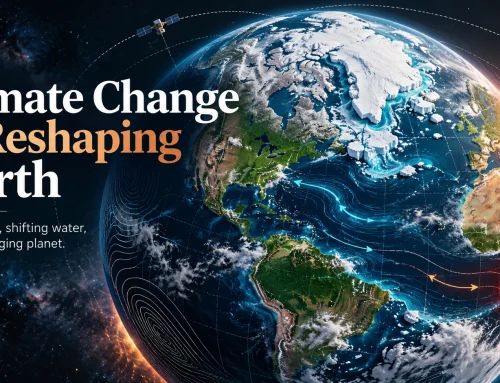
Right now, in the U.S. and around the world, children’s lives are under threat due to climate change. Nearly 710 million children are currently living in countries at the highest risk of suffering the impact of the climate crisis. However, every child will inherit a planet with more frequent extreme weather events than ever before.
Extreme events, including wildfires, floods and hurricanes, have become a frightening new normal. Hotter temperatures, air pollution and violent storms are leading to immediate, life-threatening dangers for children, including difficulty breathing, malnutrition and higher risk of infectious diseases.
With your help, Save the Children is working in the U.S. and around the world to help children and their communities prevent, prepare for, and recover from climate-induced disasters.