The Twins
There were once twin brothers who looked so alike that most people struggled to tell them apart. Only their clothing, their manner of speech, and—most clearly—their values revealed who was who.
One brother loved wealth above all else. He measured success in excess, dominance, and indulgence. His name was Morten.
The other brother valued people. He believed wealth beyond comfort distorted the soul and dulled compassion. His name was Joseph.
Joseph was, ironically, the more educated of the two. With his knowledge and skill, he could have amassed far more money than his brother ever did. But he chose otherwise. What he wanted was simple: a well-built cabin, modest but comfortable, with a few extra rooms—one for an office, and others for those who might need shelter from time to time.
Joseph preferred to live alone and made this clear to everyone he knew. His friends respected this boundary. They were much like him—thoughtful, principled, and careful never to exploit his kindness. When they visited, it was with intention, gratitude, and mutual respect.
Morten lived in a very different world.
He occupied a sprawling mansion with twenty-three bedrooms, two dining halls, multiple offices, a tennis court, a swimming pool, and every luxury money could buy. His home was rarely quiet. Companions came and went for pleasure and parties. Morten slept little, drank much, and became known for his strange escapades and excesses. Most mornings he woke with a hangover and little memory of the night before.
Beyond their personal lives, the world itself was changing—and not for the better.
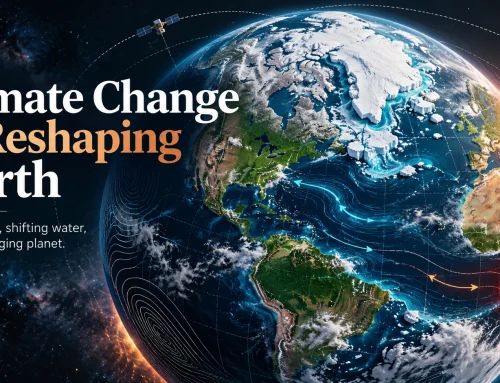
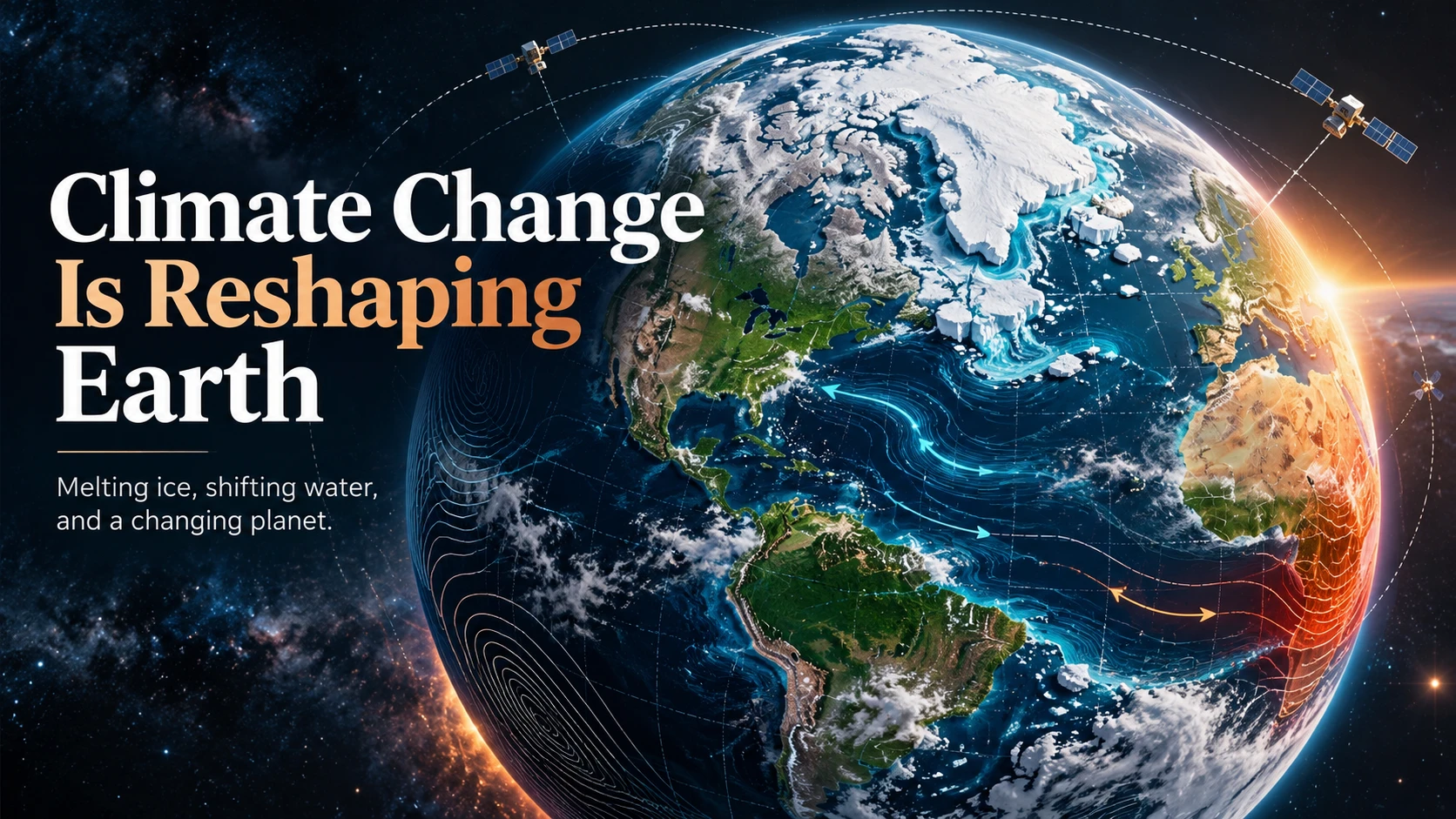
The Climate and Ecological Emergencies were accelerating. Fires, floods, droughts, and extinctions were no longer distant warnings but daily realities. Joseph had long recognized this. He participated in climate justice advocacy, collaborated with environmental organizations, and maintained friendships with political leaders who believed in sustainability and responsibility to future generations.
Morten dismissed it all.
“I’ll be dead before it really gets bad,” he liked to say.
Privately, he knew better. But denial was profitable. By downplaying the crisis—sometimes outright denying it—he protected his investments in dirty energy and extractive industries. In fact, he expanded them.
Then came what many thought impossible.
A president with open aspirations of absolute power was elected—one who would later reveal himself as a tyrant. Morten celebrated. He donated over a million dollars to the campaign, seeing opportunity where others saw danger.
Joseph responded differently.
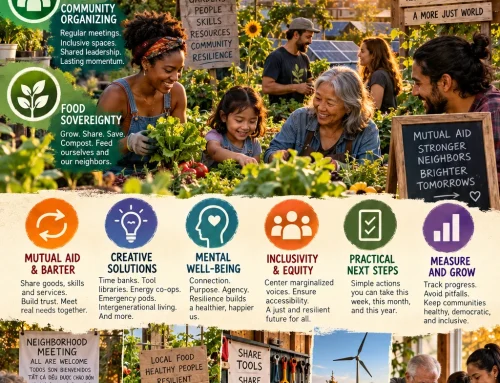
He organized. Almost immediately, he helped form a grassroots, democracy-based movement to resist the damage the new administration began inflicting—on institutions, on people, and on the planet. It was an exhausting fight. Much of the wealthy elite backed the regime, including powerful technology corporations eager to escape accountability for pollution and the extraction of public resources.
Both brothers claimed to oppose violence. But while Joseph rejected harm in all forms, Morten had no issue injuring others indirectly—through exploitation, greed, and policies that sacrificed lives for profit.
Joseph often felt overwhelmed. The lack of political will to confront the Climate and Ecological Emergencies was crushing. Still, he and his allies refused to stop. They worked for a just and equitable world—not for themselves, but for children yet unborn and for the fragile web of life already under threat.
Then came the next election.
Hope began to rise—until the tyrant tried to extinguish it.
He attempted to halt the democratic process, even declaring martial law. He empowered loyal enforcers to harm dissenters and deport people with darker skin tones to countries they barely knew. Enraged that he could not impose this cruelty universally, he dreamed aloud of a nation purified by exclusion.
That was when the people responded.
Across borders, cultures, and languages, they rose—nearly a billion strong. They filled streets, towns, and cities, united by a single demand:
Leave our government.
Let democracy live.
Let the future breathe.
And for the first time in a long while, the balance began to shift.