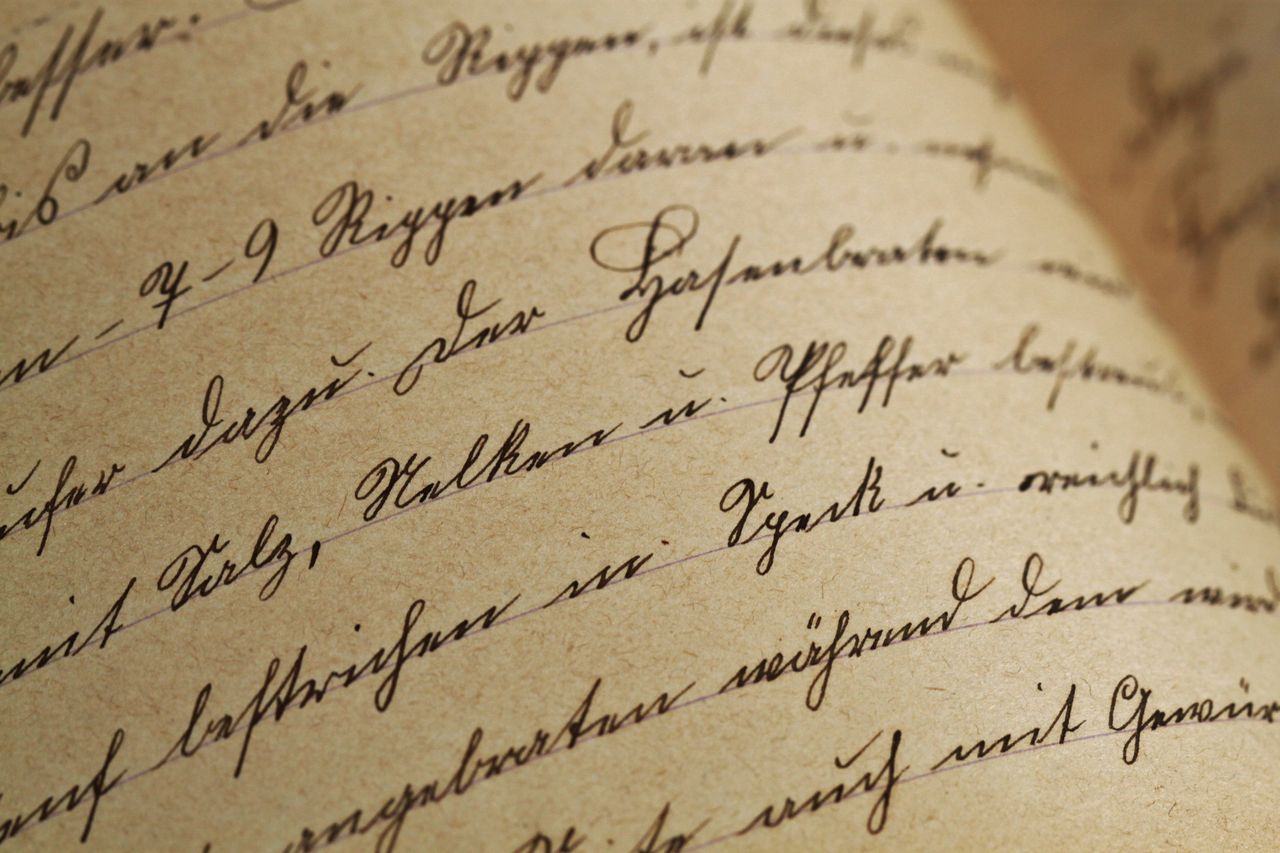
What concern to me are humanity, benevolence, modesty, temperance, gentleness, wisdom, piety, so long as half an ounce of lead shatters my body, and I die at twenty in torments unspeakable, surrounded by five or six thousand dead and dying while my eyes, opening for the last time, see the town I was born in delivered to fire and sword, and the last sounds that reach my ears are the shrieks of women and children expiring in the ruins — and the whole for the pretended interest of men that we do not know? –François-Marie Arouet, Voltaire, (1694-1778)
When Virtue Is Crushed by War
Voltaire’s words cut through the language that often surrounds war: honor, duty, glory, patriotism, necessity. He asks a brutal question: what good are humanity, wisdom, gentleness, and faith if human beings are still sent to destroy one another for the interests of people they do not even know?
His point is not that virtue is meaningless. It is that virtue becomes hollow when society praises moral ideals while accepting organized violence as normal. A civilization may speak beautifully about compassion, modesty, and wisdom, yet betray those very values when it sacrifices the young, destroys homes, and turns ordinary people into victims of decisions made far away from the battlefield.
Voltaire forces us to see the gap between moral language and political reality. War is often justified by abstract causes, national ambition, or the “interests” of powerful people. But the cost is paid by bodies, families, towns, and generations. The people who suffer most are rarely the ones who chose the conflict.
This is why his question still matters. If our highest virtues cannot restrain our capacity for destruction, then those virtues must be defended more seriously. Humanity must mean more than a word. Benevolence must reach beyond private kindness. Wisdom must challenge systems that make violence seem inevitable.
Voltaire’s outrage is ultimately a defense of human life. He refuses to let noble language hide terrible consequences. He reminds us that the worth of civilization is not measured by what it claims to believe, but by what it refuses to destroy.
A truly humane society must do more than admire virtue. It must build a world where virtue has power enough to prevent war.