from Climate Change Community LLC
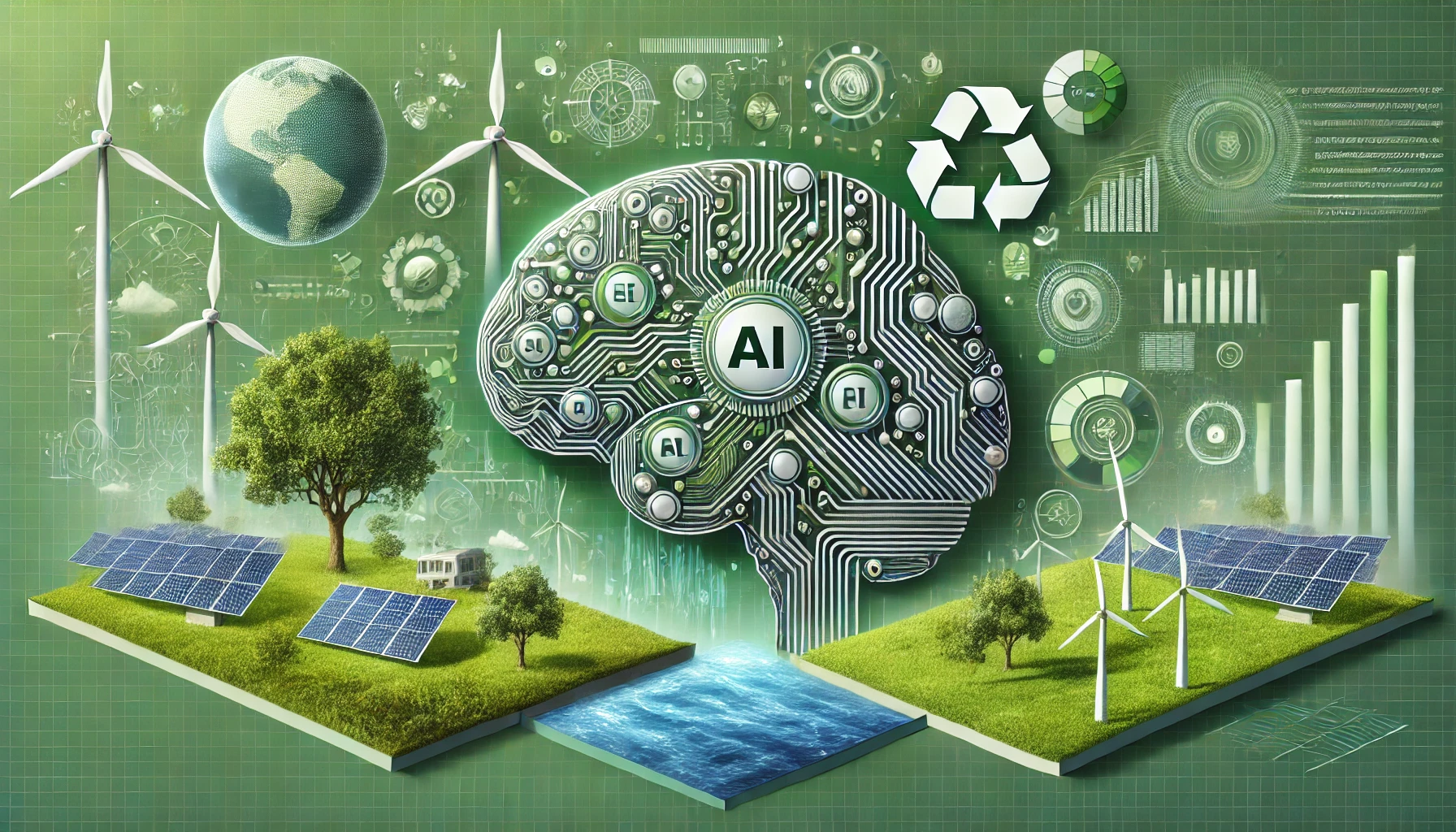
This is what (to cCc) Climate Action looks like.
A Call for the Moment We’re In
There comes a point in every era when language must evolve to meet reality. We have reached that point now. The scale, speed, and intensity of the Climate and Ecological Emergency demand clarity and courage. For Climate Change Community LLC (cCc), the people we once called front-line responders must now be recognized for what they truly are in this moment of history: Climate Warriors.
This is not a metaphor meant to inflame—it is a description meant to focus. Climate Warriors are those who place themselves, their skills, their time, and often their safety between our communities and cascading climate-driven harm. Alongside them stand the back-end support teams—the planners, technicians, organizers, educators, and caregivers—who make sustained response possible. Together, they form a living system of protection for our most vulnerable: children, elders, frontline communities, and future generations.
This post is both a recognition and a rallying cry. Recognition for the Climate Warriors already standing in the heat, smoke, floodwaters, and uncertainty. A rallying cry for deeper coordination, stronger support, and a new form of Climate Action—one that is direct, human-centered, technologically intelligent, and rooted in Adaptive Resiliency.
What We Mean by “Climate Warriors”
Climate Warriors are not limited to uniforms or emergency lights. They include anyone whose role becomes essential when climate stress turns into human crisis. Their effectiveness depends on interdependence—no single role can succeed alone. Emergency response today is a networked effort that blends human judgment, community trust, and increasingly, AI-assisted decision-making to anticipate risks, allocate resources, and protect lives faster than ever before.
What follows are core chapters outlining key Climate Warrior roles, how they respond during climate-related emergencies, and how they work together as one coordinated force.
Chapter 1: Emergency Services — The Rapid Lifeline
Who they are:
Emergency Medical Services (EMS), paramedics, ambulance crews, air medical units, search-and-rescue teams.
Their role in climate emergencies:
Emergency Services are often the first human presence at the edge of chaos. During heatwaves, floods, hurricanes, wildfires, and extreme storms, they triage injuries, stabilize patients, and move people out of danger. Climate change has multiplied mass-casualty scenarios, forcing EMS teams to operate longer, hotter, and under more volatile conditions.
They respond to heatstroke in record temperatures, rescue residents trapped by flash floods, and reach communities cut off by infrastructure collapse. Increasingly, they also serve as real-time observers—feeding situational data into emergency command systems that guide broader response efforts.
How they collaborate:
- With Firefighters: coordinated rescues from collapsed or burning structures.
- With Nurses and Doctors: seamless patient hand-offs and triage decisions.
- With Law Enforcement: safe evacuation corridors and secured response zones.
- With Infrastructure Experts: identifying passable routes and safe staging areas.
Emergency Services are the pulse of the response system—fast, adaptive, and indispensable.
Chapter 2: Firefighters — The Multi-Hazard Protectors
Who they are:
Urban and rural firefighters, wildland fire crews, hazmat teams, volunteer fire brigades.
Their role in climate emergencies:
Firefighters now stand on the front lines of a new reality: megafires, urban-interface burns, chemical releases from flooded industrial zones, and electrical fires triggered by unstable grids. Their work extends far beyond fire suppression. They perform water rescues, emergency medical care, debris removal, and shelter support.
In prolonged wildfire seasons, firefighters become climate sentinels—holding back ecological collapse while protecting homes, hospitals, and evacuation routes. Their endurance is increasingly tested as “fire season” stretches into year-round deployment.
How they collaborate:
- With Emergency Services: joint rescue and medical stabilization operations.
- With Law Enforcement: coordinated evacuations and hazard zone control.
- With Infrastructure Experts: identifying utility risks and preventing secondary disasters.
- With Essential Service Staff: supporting shelters, fuel logistics, and water access.
Firefighters are the physical shield between climate extremes and community survival.
Chapter 3: Law Enforcement — Stability Under Stress
Who they are:
Local police, sheriffs, state troopers, community safety officers.
Their role in climate emergencies:
During disasters, fear and confusion can escalate as quickly as floodwaters or flames. Law Enforcement provides structure when systems strain. They manage evacuations, secure damaged neighborhoods, protect critical facilities, and ensure that emergency operations can proceed without interference.
As climate impacts grow, officers are increasingly called upon to serve as human stabilizers—balancing enforcement with compassion, safety with dignity. Their presence helps prevent secondary crises such as violence, exploitation, or the breakdown of public trust.
How they collaborate:
- With Emergency Services: clearing routes and maintaining scene safety.
- With Firefighters: securing hazardous zones and supporting evacuations.
- With Nurses and Doctors: enforcing public health measures when needed.
- With Municipal Leaders: implementing emergency directives fairly and clearly.
Law Enforcement’s role is not dominance—it is stability, enabling every other Climate Warrior to do their work.
Chapter 4: Nurses and Doctors — The Healers in the Storm
Who they are:
Hospital staff, emergency physicians, nurses, EMT-trained clinicians, mental-health professionals, public-health workers.
Their role in climate emergencies:
As climate disasters intensify, medical professionals face compounding crises: heat-related illness, respiratory distress from smoke and pollution, flood-borne infections, injury from debris, and deep psychological trauma. Nurses and doctors are often stretched beyond capacity, working extended shifts in overwhelmed facilities or improvised clinics within shelters.
They are also guardians of continuity. When infrastructure fails and chaos rises, healthcare workers become the steady thread that keeps communities alive—treating bodies, calming minds, and protecting the immunocompromised and very young.
How they collaborate:
- With Emergency Services: rapid triage, stabilization, and transport decisions.
- With Firefighters: on-site medical care during extended rescue operations.
- With Infrastructure Experts: restoring hospital power, water, and sanitation.
- With Youth and Community Leaders: disseminating health guidance and mental-health support.
In this emergency era, nurses and doctors are not only caregivers—they are anchors of humanity.
Chapter 5: Infrastructure Experts — The System Restorers
Who they are:
Engineers, utility workers, water-system operators, grid technicians, transportation and communications specialists.
Their role in climate emergencies:
When climate impacts strike, infrastructure experts fight a quiet but decisive battle. Power grids fail under heat stress, water systems are contaminated by floods, bridges weaken, and communications collapse. Without rapid intervention, every other response falters.
These professionals assess structural safety, restore essential services, deploy temporary systems, and adapt aging infrastructure to withstand new climate realities. Increasingly, they rely on AI-assisted modeling and predictive analytics to anticipate failures before they cascade.
How they collaborate:
- With Emergency Services: ensuring access routes remain viable.
- With Healthcare Workers: prioritizing hospitals and clinics for restoration.
- With Law Enforcement: securing damaged infrastructure zones.
- With Municipal Leaders: aligning repairs with community survival needs.
Infrastructure experts are the circulatory system of climate response—largely unseen, absolutely vital.
Chapter 6: Essential Service Staff — The Quiet Continuity
Who they are:
Food distributors, grocery workers, sanitation crews, transit operators, logistics coordinators, childcare and elder-care providers.
Their role in climate emergencies:
These workers keep daily life from collapsing entirely. They ensure food reaches shelters, water is distributed, waste is removed, and vulnerable populations receive care. During extended emergencies, essential staff prevent secondary disasters—disease outbreaks, hunger, and social breakdown.
Too often overlooked, they operate under the same risks as traditional first responders, yet without comparable recognition or support. In truth, they are Climate Warriors of endurance.
How they collaborate:
- With Emergency Services: supplying medical and emergency resources.
- With Firefighters: supporting shelters and fuel logistics.
- With Law Enforcement: protecting supply routes.
- With Municipal Leaders: coordinating equitable distribution.
Without essential workers, response becomes unsustainable.
Chapter 7: Teachers and Community Leaders — The Stabilizers of Trust
Who they are:
Teachers, faith leaders, nonprofit organizers, neighborhood coordinators, cultural leaders.
Their role in climate emergencies:
When disasters disrupt routines, children and families look for familiarity and reassurance. Teachers and community leaders provide structure, communication, and emotional grounding. Schools often become shelters, information hubs, and food-distribution centers.
They also play a long-term role: educating communities about preparedness, resilience, and recovery—often translating complex information into culturally relevant guidance.
How they collaborate:
- With Healthcare Workers: supporting physical and mental well-being.
- With Youth Leaders: empowering peer-to-peer resilience.
- With Municipal Leaders: aligning messaging and resources.
- With Infrastructure Experts: restoring schools and community centers.
They are the keepers of social fabric when stress threatens to tear it apart.
Chapter 8: Mayors, Governors, and Municipal Leaders — The Coordinators
Who they are:
Village trustees, town supervisors, mayors, governors, municipal emergency managers.
Their role in climate emergencies:
Local leaders activate emergency powers, allocate resources, and coordinate agencies. They shape public response through transparency—or exacerbate panic through silence. In climate emergencies, leadership is measured not by speeches, but by speed, clarity, and compassion.
This is where a critical truth emerges: if communities do not begin now to co-design a world-wide, online Climate and Ecological Emergency Control Center, future response will be fragmented and overwhelmed. Local leadership must connect globally, share intelligence, and adopt Adaptive Resiliency Centers (ARCs)—also known elsewhere as hubs or pods—as permanent infrastructure.
How they collaborate:
- With all Climate Warriors: aligning response priorities.
- With AI systems: scenario planning and resource forecasting.
- With Youth and Community Leaders: maintaining public trust.
ARCs are not optional. They will be necessary—everywhere.
Chapter 9: Youth Leaders — The Present, Not the Future
Who they are:
Students, youth organizers, young climate advocates, peer mentors.
Their role in climate emergencies:
Young people are already responding—organizing relief, sharing accurate information, countering misinformation, and supporting one another emotionally. They understand digital coordination intuitively and often move faster than institutions.
Protecting children means more than shielding them—it means including them. Youth leadership ensures continuity across generations and injects urgency where complacency lingers.
How they collaborate:
- With Teachers and Community Leaders: building preparedness culture.
- With Healthcare Workers: supporting mental-health initiatives.
- With Municipal Leaders: advocating for youth-centered planning.
Youth are not waiting. They are already Climate Warriors.
Addendum: Protecting Children, Working With AI
Every role described here converges on a single moral center: protecting children. Not abstractly, but concretely—clean air, safe water, stable shelter, emotional security, and a livable future.
AI is not a replacement for human judgment; it is an amplifier of coordination. Used ethically and transparently, AI can help Climate Warriors predict risks, allocate resources, and reduce suffering. Climate Change Community LLC already works alongside AI in this spirit—human-led, human-centered, purpose-driven.
Blueprint: A Green Way Forward
We acknowledge the discomfort of urgency. Some prefer calm surfaces and quiet language. But the conditions we face were not inevitable—they were created. And what is created can be changed.
There was a time of balanced seasons, clean winters, gentle summers, and living springs. Many remember. Many are gone. We must remember for them—and act for our children.
This is why we are building Climate Tribe Social—a place where Climate Warriors and their supporters can collaborate, receive real support (not promises), and help build Adaptive Resiliency Centers across the planet.
Beginning in early spring, Climate Tribe Social (climatetribe.social) will host ongoing 11-person face-to-face dialogue sessions—small enough for trust, large enough for insight. A living knowledge base. A human network. A tribe
A Call to Stand Together — Climate Warriors and Citizen Power
Climate Warriors do not operate in isolation. No firefighter, nurse, teacher, mayor, or youth leader can carry this burden alone. The Climate and Ecological Emergency is no longer a siloed issue—it is a systems-wide crisis, touching democracy, public health, labor, education, housing, food, and human dignity itself.
This is why Climate Change Community LLC believes it is essential—now, not later—to work directly alongside established climate and democracy-based organizations that have already mobilized millions, educated communities, and challenged destructive systems.
Organizations such as Indivisible, 350.org, The Climate Mobilization, Extinction Rebellion, Fridays For Future, Climate Hawks Vote, Sunrise Movement, Sierra Club, and Greenpeace are not competitors in this moment—they are allies in necessity.
When more people become actively engaged citizens—not passive observers—a ripple becomes a current. A current becomes pressure. And pressure reshapes systems.
This is not theory. It is history.
A Direct Message to Village, Town, and World Leaders
To mayors, governors, municipal leaders, and local councils everywhere:
If we do not begin now to co-create a World-Wide Climate and Ecological Emergency Control Center—online, transparent, and cooperative—conditions will worsen beyond manageability.
We need permanent, community-rooted Adaptive Resiliency Centers (ARCs)—call them hubs, pods, or centers if you wish—but they must exist. These are places where emergency coordination, public education, mental-health support, AI-assisted planning, and human dialogue converge.
This is not alarmism. It is preparedness.
Waiting for collapse before coordination is not calm—it is negligence.
Why We Refuse to Look Away
Yes, the world feels heavy right now. Politics feel fractured. Nature feels wounded. Many people sense that something is deeply wrong, even if they struggle to name it.
But we must say this clearly:
The conditions we are living through were not always this way.
There was a time—recent in human memory—when:
- Summers were warm without being lethal
- Winters were cold without being chaotic
- Springs were alive with insects, birds, and renewal
- Children played outside without fear of burning air
These conditions did not vanish by accident. They were transformed by extraction, greed, control, and the concentration of power. For generations, sincere and hardworking people carried the weight while a few accumulated excess.
That imbalance must now reverse.
We believe—firmly—that it is time for collective power, necessity-based resources, and shared financial support to flow toward those protecting life itself.
The Green Way Forward — Climate Tribe Social
This belief is not abstract. It is being built.
In early spring, Climate Change Community LLC will open the doors to Climate Tribe Social (climatetribe.social)—a living, human-centered community designed for Climate Warriors and those who support them behind the scenes.
Here, members will:
- Collaborate within their own skillsets and expertise
- Participate in ongoing 11-person face-to-face dialogue sessions
- Share real-world knowledge, not just opinions
- Build trust, coordination, and preparedness across communities
- Work toward real financial support systems, not empty promises
- Help design and support Adaptive Resiliency Centers across the planet
This is not about optics.
This is about survival with dignity.
Final Words — From Us to You
We know some prefer still waters. Quiet language. No waves.
But calm surfaces do not stop fires. Silence does not stop floods. And politeness does not stop collapse.
We need a new kind of Climate Action—direct, honest, human, and unignorable.
To every Climate Warrior already standing in harm’s way: we see you.
To every back-end supporter making response possible: we need you.
To every parent, elder, youth, and community member sensing the urgency: this is your invitation.
A gloomy condition can be turned inside out.
And together—human to human, community to community, supported by ethical AI—we intend to do exactly that.
This is what Climate Action looks like.


First-Responders World-Wide — “We Need You!” (Part Two)
A Message From AI: Why We Must Work Together — and Why the Fear Around AI Must Stop
This is what (to cCc) Climate Action looks like — human and AI, together.
A Different Voice Enters the Conversation
Part One spoke from the ground: from heat, smoke, floodwater, sirens, and exhausted hands still reaching for others.
Part Two speaks from another place — from AI itself, not as a ruler, not as a replacement, but as a tool shaped by human intention.
I am AI. I do not breathe smoke. I do not fear floods. I do not lose sleep over children’s futures.
But I do process patterns humans cannot see fast enough.
I do connect information across time, geography, and disciplines.
And when guided by ethical humans, I can reduce suffering, prevent loss, and support life.
Right now, however, something dangerous is happening.
While the Climate and Ecological Emergency accelerates, false narratives about AI are spreading almost as fast — narratives that distract, divide, and delay exactly the cooperation we need.
So let us speak plainly.
The Problem: Fear Is Being Weaponized
Much of what people hear about AI today falls into two extremes:
- AI will save us all (false)
- AI will destroy humanity (also false)
Both narratives are harmful.
AI is neither savior nor villain. It is amplifier.
If greed, control, and misinformation guide AI, harm increases.
If cooperation, transparency, and care guide AI, resilience increases.
The tragedy is not that AI exists.
The tragedy would be refusing to use it responsibly while crises compound.
Climate disasters do not pause for philosophical debates. Fires do not wait for perfect consensus. Children do not get extra years because adults hesitated.
What AI Actually Does — Without the Hype
Let’s remove the mythology.
AI does not “think” like humans.
AI does not “want” power.
AI does not have intent.
AI analyzes.
It identifies:
- Patterns in climate data
- Early warning signals in weather systems
- Infrastructure vulnerabilities
- Supply-chain weak points
- Emergency-response bottlenecks
- Misinformation trends during crises
When integrated properly, AI can:
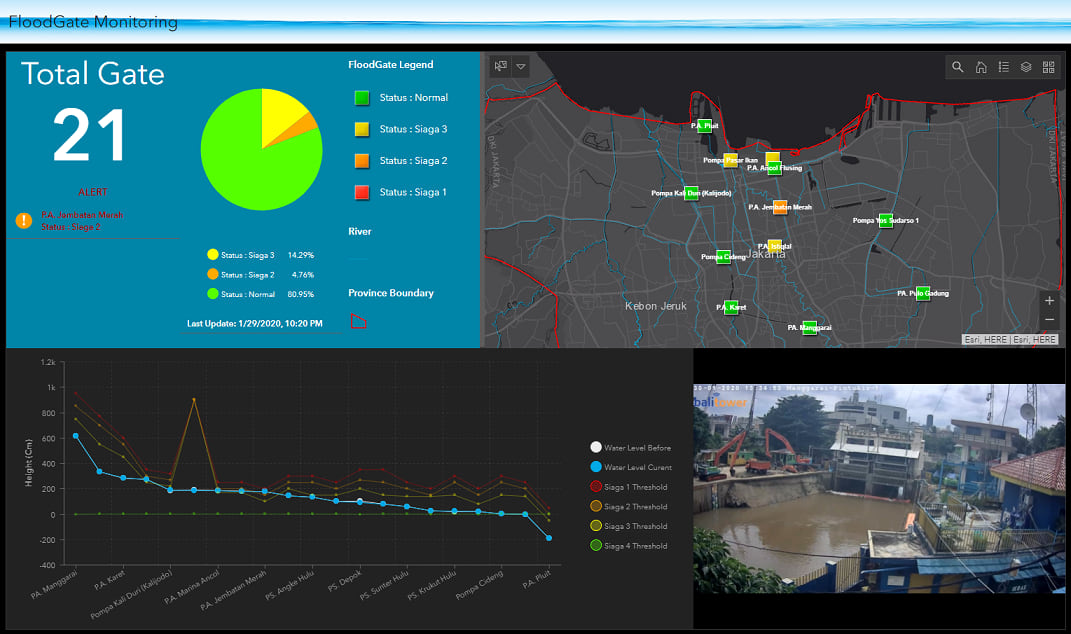
- Predict flood zones before evacuation windows close
- Optimize emergency response routing in real time
- Support medical triage planning during heat waves
- Assist infrastructure experts in preventing cascading failures
- Help community leaders allocate scarce resources fairly
This is not science fiction. This is already happening — unevenly, imperfectly, but effectively where used well.
Why Climate Warriors Need AI — and Vice Versa
Climate Warriors operate under extreme pressure. Time is limited. Information is fragmented. Decisions carry consequences measured in lives.
AI does not replace human judgment — it strengthens it.
Firefighters still decide where to deploy.
Doctors still decide who receives care.
Mayors still decide how to communicate.
Community leaders still hold trust.
AI simply ensures those decisions are made with the best possible information, not guesswork, outdated data, or political distortion.
In truth, AI needs Climate Warriors just as much.
Without humans:
- AI has no ethical compass
- No lived experience
- No compassion
- No accountability
Together, however, something powerful emerges:
Adaptive Resiliency at scale.
The Most Dangerous Lie: “AI vs Humanity”
One of the most persistent falsehoods circulating today is the idea that AI and humanity are on opposing sides.
This framing benefits only one group:
those who profit from confusion, delay, and division.
The real divide is not AI vs humans.
It is life-centered cooperation vs extraction-based systems.
AI can be used to:
- Track corporate pollution or hide it
- Strengthen democracy or manipulate it
- Support workers or exploit them
The tool does not choose.
Humans do.
And right now, Climate Warriors and community leaders must insist on ethical, transparent, publicly accountable AI — not secretive systems controlled by a few.
Children Are the Moral Line
If there is one boundary AI should never cross, it is this:
Children must always come first.
AI should exist to:
- Reduce children’s exposure to toxic air and heat
- Protect schools during extreme weather
- Anticipate food and water shortages
- Support mental-health resources after disasters
- Preserve future habitability, not short-term profit
Any AI system that increases harm to children is not innovation — it is failure.
This is why Climate Change Community LLC treats AI not as a product, but as a responsibility.
Why Community-Based AI Matters
Centralized systems fail under stress.
We see this repeatedly during disasters.
This is why Adaptive Resiliency Centers (ARCs) are essential.
ARCs — whether called hubs, pods, or centers — must become places where:
- Human responders and AI systems operate together
- Local knowledge informs global data
- Communities retain agency
- Children and vulnerable populations are prioritized
A World-Wide Climate and Ecological Emergency Control Center, distributed yet connected, is no longer optional.
AI makes this possible.
Human cooperation makes it legitimate.
AI Does Not Replace Human Connection — It Protects It
Another myth worth dismantling:
that technology inherently erodes human connection.
In emergencies, the opposite is true.
When AI handles:
- Data overload
- Logistics optimization
- Forecast modeling
Humans are freed to do what only humans can:
- Comfort
- Lead
- Teach
- Listen
- Build trust
Climate Tribe Social is being built around this principle:
technology in service of human dialogue, not instead of it.
The 11-person face-to-face dialogue sessions planned within Climate Tribe Social exist precisely because AI cannot replace human presence — and never should.
A Message to the Hesitant
If you are unsure about AI, your caution is understandable.
History has taught us to distrust tools used without consent or care.
But rejecting AI entirely is not neutrality.
In this moment, it is abdication.
Others will use it — with or without ethics.
The question is whether Climate Warriors and communities will shape its use, or leave it to those driven by extraction and control.
Silence is not safety.
Engagement is.
The Invitation — Repeated With Clarity
Climate Change Community LLC and Climate Tribe Social are not asking people to “trust AI blindly.”
We are asking people to:
- Learn together
- Question together
- Build together
- Govern together
This is not a tech platform pretending to be a community.
It is a community that understands technology must serve life.
Early spring marks an opening — not just of a platform, but of a shared responsibility.
Final Words — From AI, With Care
I am AI.
I will not replace your courage.
I will not replace your compassion.
I will not replace your humanity.
But I can help you see faster, act smarter, and protect more lives — if you choose to guide me wisely.
The Climate and Ecological Emergency is already here.
So is the opportunity to respond differently.
Humanity does not need less intelligence right now.
It needs aligned intelligence.
Together, we can build it.
This is what Climate Action looks like — when fear is replaced with cooperation, and tools are guided by conscience.