The Moment Life Changes: Readiness, Crisis, and the Climate Turning Point
“Most people can look back over the years and identify a time and place at which their lives changed significantly. Whether by accident or design, these are the moments when, because of a readiness within us and a collaboration with events occurring around us, we are forced to seriously reappraise ourselves and the conditions under which we live and to make certain choices that will affect the rest of our lives.”
— Frederick F. Flack
There are moments in life when something shifts.
Sometimes the change is obvious: a loss, a move, a diagnosis, a relationship ending, a new opportunity, a disaster, a conversation, a betrayal, a birth, a death, or a sudden realization that the life we are living no longer fits the person we are becoming.
Other times, the change is quieter. Nothing dramatic happens on the outside, but inside, something awakens. A truth we have been avoiding finally becomes impossible to ignore. A question we have been postponing suddenly demands an answer. A path we once thought was fixed begins to feel negotiable.
Frederick F. Flack’s quote speaks to these moments of transformation. He reminds us that life-changing moments are rarely caused by events alone. They happen through a meeting between the world outside us and the readiness inside us.
That is a powerful idea.
It means change is not only something that happens to us. It is also something we become capable of responding to.
The Collaboration Between Inner Readiness and Outer Events
Many people imagine transformation as a sudden event. Something happens, and life changes.
But Flack points to something deeper. The event matters, but so does the state of the person experiencing it.
Two people can go through the same crisis and respond differently. One may deny what is happening. Another may break down. Another may grow. Another may become bitter. Another may become wiser, more courageous, and more committed to life.
The difference is not always strength in the simple sense. Often, it is readiness.
Readiness can come from suffering, learning, exhaustion, maturity, love, grief, or repeated exposure to a truth we can no longer avoid. It can grow slowly over years before one moment finally activates it.
This is why certain moments feel like turning points. They do not simply interrupt our lives. They reveal us to ourselves.
They ask:
Who are you becoming?
What can you no longer pretend not to know?
What conditions are you living under?
What choices must now be made?
Reappraising Ourselves
To reappraise ourselves means to look again.
Not casually. Not defensively. Not through the old story we have always told ourselves.
It means asking whether our identity, habits, values, and priorities are still honest.
Sometimes we discover that we have been living according to fear. Sometimes we realize we have been performing a role that no longer serves us. Sometimes we see that we have been adapting to unhealthy conditions instead of challenging them.
This kind of self-reappraisal is uncomfortable because it threatens the old version of us.
But it is also necessary.
A person cannot move into a new life while clinging completely to the assumptions of the old one. Growth requires a kind of inner honesty. It requires us to admit that what once helped us survive may not be enough to help us live well, serve others, or meet the demands of a new reality.
Reappraising the Conditions Under Which We Live
Flack’s quote does not stop with the individual. He also says we are forced to reappraise “the conditions under which we live.”
That part matters deeply.
Personal growth is never only personal. We are shaped by families, communities, economies, technologies, cultures, politics, and ecosystems. We live inside conditions that either support life or degrade it.
This is where the quote becomes climate-related.
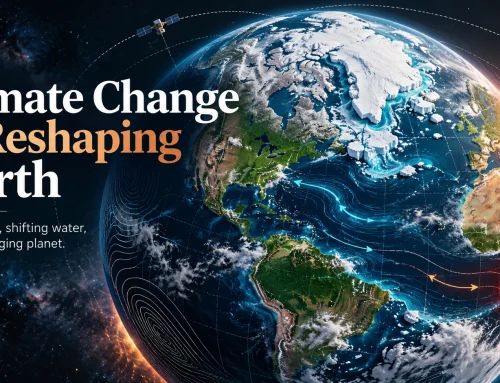
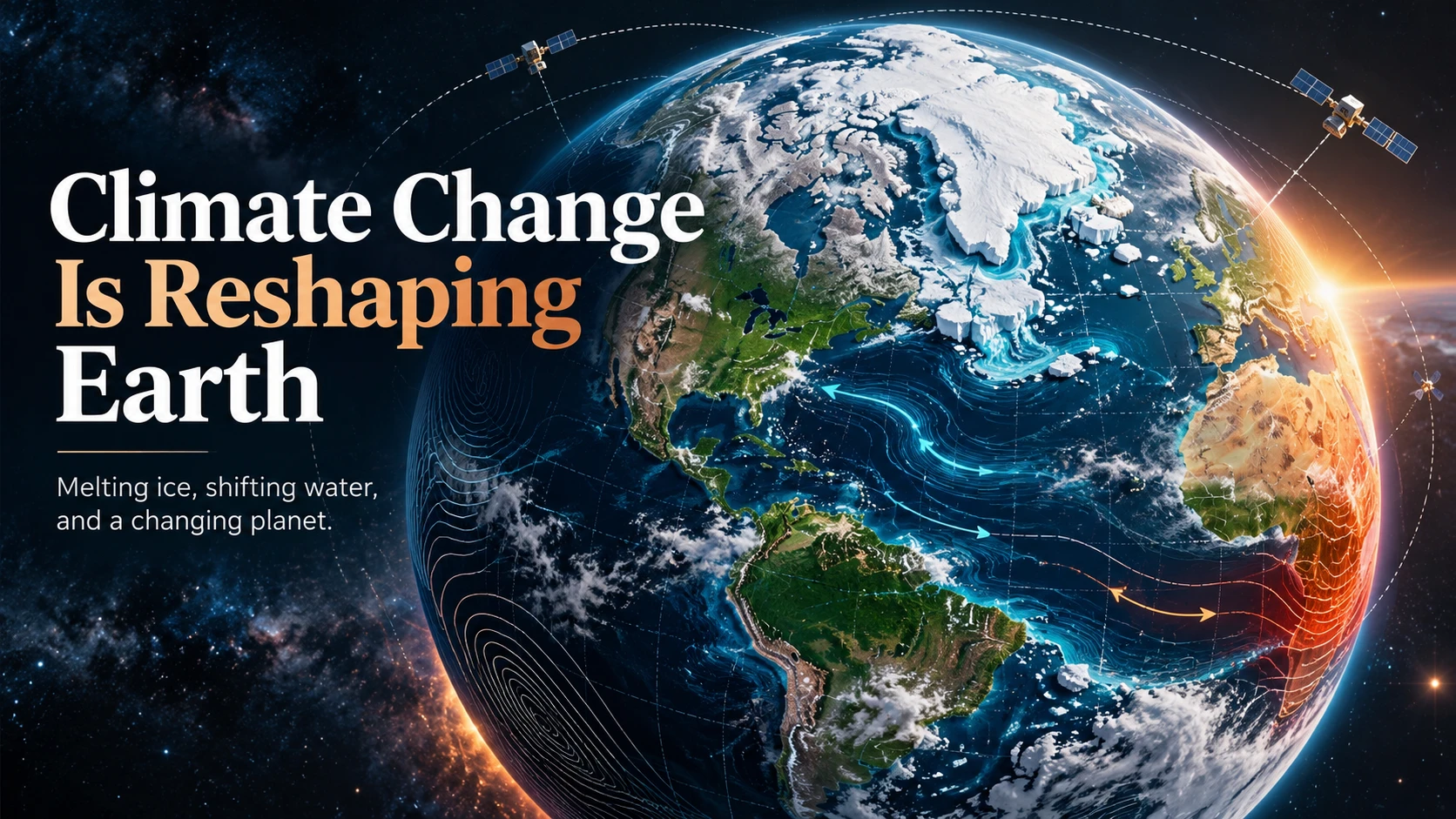
The climate and ecological emergency is one of the great reappraisal moments of our time.
It forces humanity to look again at the conditions under which we live. It asks whether our systems are sustainable, whether our values are honest, whether our definition of progress is mature, and whether our way of life is compatible with the continued health of the living world.
Climate disruption is not just an environmental issue. It is a mirror.
It reflects back to us the consequences of extraction, denial, overconsumption, disconnection, short-term thinking, and the illusion that human society can thrive while the Earth’s systems are destabilized.
Like a personal crisis, the climate crisis confronts us with a choice: deny, collapse, adapt, or transform.
Climate Change as a Collective Turning Point
Most individuals can identify moments that changed their lives. But entire societies can have turning points too.
A flood can change a town. A wildfire can change a region. A food shortage can change political priorities. A heat wave can change public understanding. A scientific report can change the conversation. A movement can change what people believe is possible.
The climate crisis is not one single moment. It is a series of escalating moments that are forcing humanity to reconsider the conditions under which we live.
The question is whether we are ready.
Because information alone does not create transformation. We already have enough evidence to know that the crisis is real. The deeper issue is whether there is enough inner and collective readiness to act with the seriousness the moment requires.
Readiness means being willing to grieve what is being lost without becoming paralyzed.
Readiness means being willing to change habits, systems, expectations, and institutions.
Readiness means being willing to cooperate across differences.
Readiness means accepting that resilience is not passive endurance. It is active preparation, adaptation, protection, and renewal.
The Choice That Affects the Rest of Our Lives
Flack says these moments force us to make choices that affect the rest of our lives.
That is exactly where we are.
The choices being made now — by individuals, communities, companies, governments, schools, faith groups, media systems, and social movements — will shape the future that younger generations inherit.
But this should not be understood only as a burden. It is also an invitation.
A turning point is frightening because the old certainty begins to break apart. But it is also meaningful because it opens the possibility of living more truthfully.
For an individual, that may mean changing direction, healing, learning, speaking up, or stepping into responsibility.
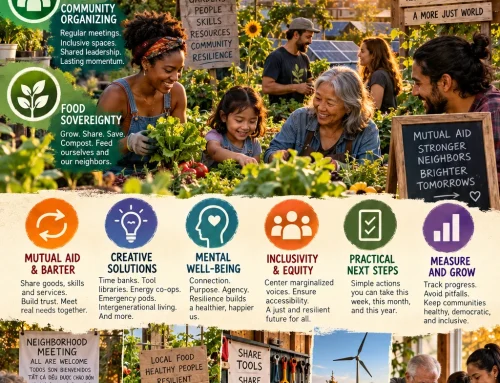
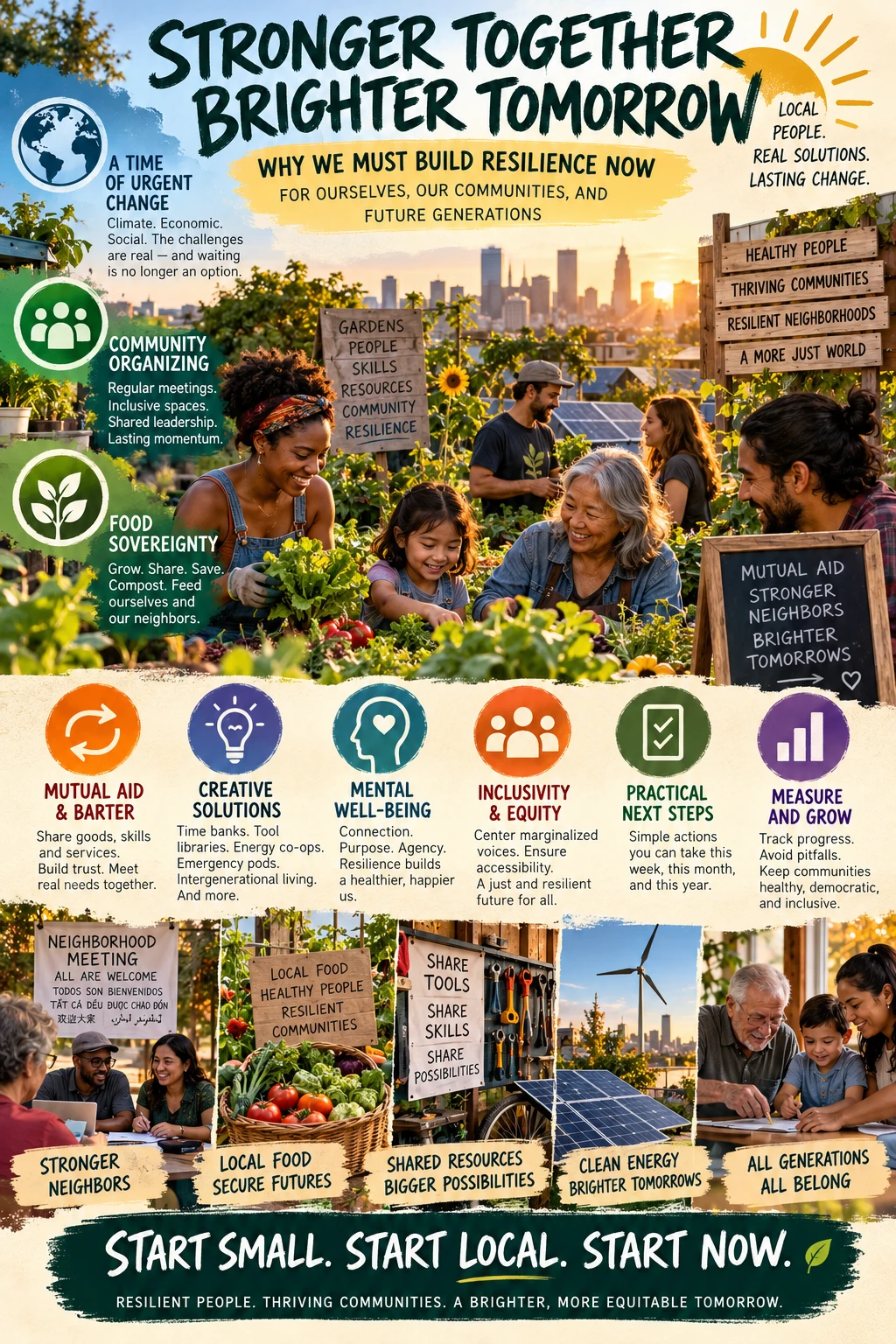
For a community, it may mean building local resilience, strengthening mutual aid, preparing for extreme weather, protecting vulnerable people, restoring ecosystems, and creating spaces where people can learn and act together.
For humanity, it means moving from domination to stewardship, from denial to courage, from isolation to cooperation, and from reckless consumption to life-centered responsibility.
The Climate Tribe Moment
This is why community matters so much.
When people face turning points alone, they may feel overwhelmed. But when people face them together, transformation becomes more possible.
A climate community is not just a place to exchange information. At its best, it becomes a place of readiness. A place where people help each other reappraise reality honestly. A place where grief can become courage. A place where fear can become preparation. A place where knowledge can become action.
The climate and ecological emergency is forcing us to ask who we are and what kind of future we are willing to fight for.
That question cannot be answered only by experts, politicians, or institutions. It must also be answered by ordinary people deciding, together, that the old conditions are no longer acceptable.
This is the deeper meaning of adaptation.
Adaptation is not merely adjusting to disaster. It is learning how to become different because reality now requires something different from us.
Final Reflection
Every life contains turning points.
Some arrive by accident. Some are designed. Some are chosen. Some are forced upon us.
But the most important turning points are the ones that awaken responsibility. They make us look again at ourselves, our communities, our assumptions, and the world we are helping to create.
The climate crisis is such a moment.
It is asking humanity to reappraise the conditions under which we live and to make choices that will affect the rest of our lives — and the lives of those who come after us.
The question is not only whether the world is changing.
It is whether we are ready to change with enough wisdom, courage, and cooperation to protect what remains and regenerate what we can.