Media, Fear, and Responsible Citizenship: Why News Literacy Is Climate Literacy
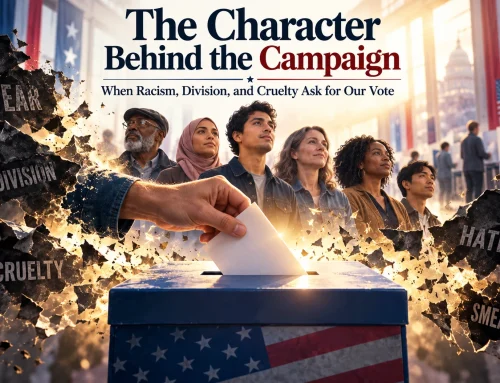
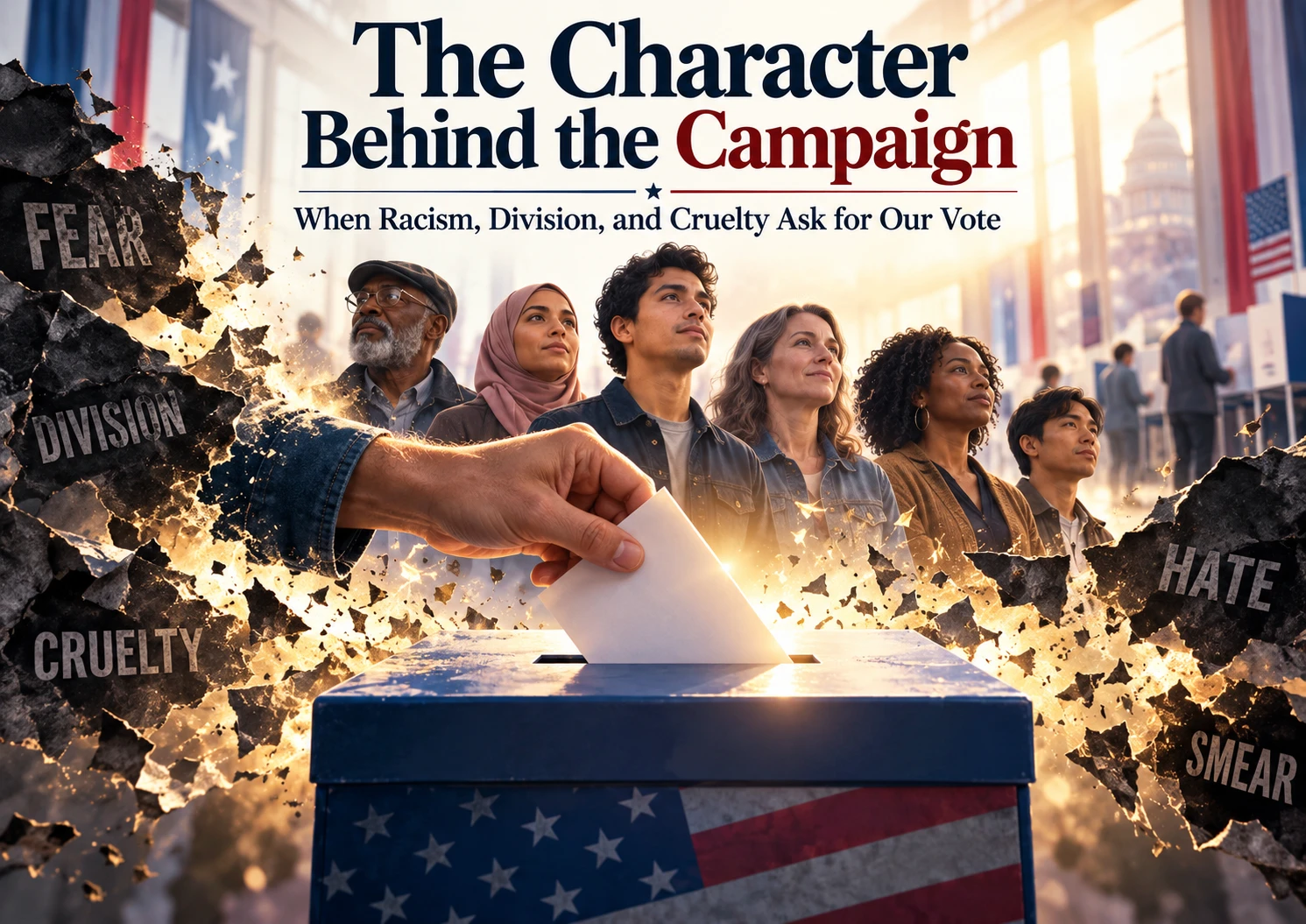
“The current state of the news media is partially to blame for the public’s general lack of information vital for responsible citizenship in a democracy. The news media has become an aspect of show business, offering merely infotainment. It has evolved into an entity that tends to function as a public relations agency for wealthy and powerful multinational corporations, members of Congress, the current Presidential Administration including the administrations that preceded it. The news media is being utilized as a political tool of suppression and propaganda by those in power, and propaganda is psychological in nature. Full of half-truths and utter misinformation, it’s an arrogant and very commercial strategy that is implemented because it appeals to emotions, fear being the main one relentless talk of national security, personal and community safety, can trigger childhood insecurities and indoctrinated views of authority.”
— Teresa Stover, attribution uncertain
Note on attribution and context: I shared this quote in 2021, and I cannot confidently confirm which Teresa Stover originally wrote it. I believe it may be the Teresa Stover associated with Microsoft, but that should be treated as uncertain unless verified. Also, because the quote is dated and country-specific conditions change, it should not be read as a universal claim about every news outlet or every nation today. It is better used as a provocation: a starting point for asking how media, power, fear, and citizenship interact.
A dated quote can still ask a living question.
What happens to democracy when people are entertained more than informed? What happens when public attention is shaped less by civic responsibility and more by ratings, clicks, outrage, advertising, political access, and emotional manipulation? What happens when citizens are surrounded by information but lack the tools to judge what is true, what is incomplete, what is propaganda, and what is merely performance?
These questions are not only about journalism. They are about public survival.
In a democracy, the public needs reliable information to make responsible decisions. Citizens need to understand what is happening, who benefits, who is harmed, what evidence exists, what choices are available, and what consequences may follow. Without that, democracy becomes vulnerable to spectacle. People may still vote, argue, post, and consume news, but the quality of their participation weakens if the information environment is polluted.
That is why the state of the media matters.
The Problem With Infotainment
The word “infotainment” captures one of the most serious tensions in modern news culture. Information is supposed to clarify reality. Entertainment is designed to hold attention. There is nothing wrong with making important information engaging. The danger begins when engagement becomes the highest priority.
When news becomes show business, complex issues are simplified into conflict. Policy becomes personality. Structural problems become dramatic episodes. Long-term risks are ignored in favor of immediate emotional impact. The public is trained to react rather than reflect.
This matters because responsible citizenship requires more than reaction. It requires memory, context, patience, evidence, and the ability to sit with complexity.
A society that receives most of its public information as emotional stimulation may become easier to divide. Fear can be amplified. Anger can be monetized. Distrust can be cultivated. People can be encouraged to identify enemies faster than they identify causes.
The result is not simply misinformation. It is civic exhaustion.
People become overwhelmed, cynical, and unsure whom to trust. Some retreat from the news entirely. Others cling to sources that confirm what they already believe. Still others move from healthy skepticism into total suspicion, where every institution is assumed to be lying and every claim becomes just another weapon in a culture war.
Fear as a Political Technology
The quote points directly to fear, especially fear connected to national security, personal safety, and community safety. This is important because fear is one of the easiest emotions to exploit.
Fear narrows attention. It makes people seek protection. It can make authority feel comforting, even when that authority is not acting in the public interest. Fear can also make people more willing to accept oversimplified narratives: good versus evil, us versus them, safety versus freedom, order versus chaos.
This does not mean every warning is propaganda. Real dangers exist. Communities do need safety. Nations do face risks. The problem is not warning people about danger. The problem is using fear to prevent people from thinking clearly.
A mature information culture would help people distinguish between real risk and manufactured panic. It would teach people how to ask better questions: What is the evidence? Who is framing the issue? What is being left out? Who benefits from this interpretation? What solutions are being hidden by the emotional intensity of the story?
Those questions are essential for democracy.
They are also essential for climate action.
Why This Is Climate-Related
At first glance, media criticism may not seem like a climate issue. But climate change is deeply connected to the information environment.
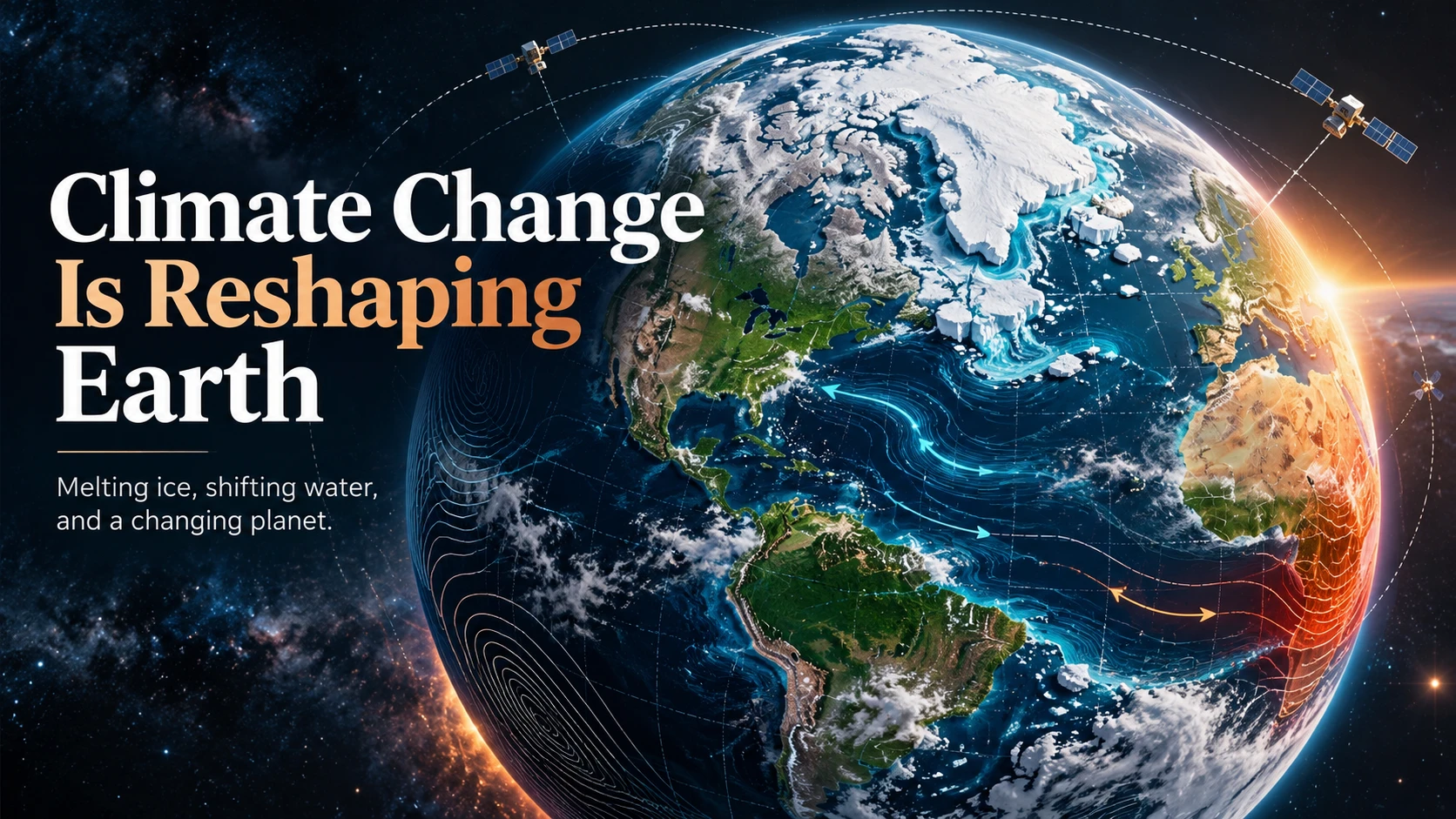
The climate and ecological emergency is a reality that depends on public understanding. People need accurate information about science, risk, adaptation, energy systems, emissions, public policy, infrastructure, food, water, health, migration, insurance, disaster preparedness, and justice. If the public is misinformed, distracted, polarized, or emotionally manipulated, society cannot respond with the seriousness required.
Climate action depends on informed citizenship.
A public that cannot evaluate information will struggle to understand climate risk. A public trained to distrust all expertise may dismiss scientific evidence. A public trapped in partisan media loops may interpret climate policy only as identity conflict. A public overwhelmed by spectacle may miss the slow-moving emergencies that shape the future.
Climate change is not only a crisis of carbon. It is also a crisis of attention.
The atmosphere responds to physics, not public relations. Ecosystems respond to pressure, not slogans. Heat, floods, fires, storms, drought, crop stress, and sea-level rise do not wait for the news cycle to become responsible.
That is why media literacy is climate literacy.
To build climate resilience, people need more than facts. They need the capacity to recognize manipulation, compare sources, understand uncertainty, identify conflicts of interest, and resist fear-based messaging. They need to know when they are being informed and when they are being emotionally managed.
The Corporate and Political Filter
The quote also criticizes the relationship between media, corporations, political power, and public relations. That concern should be handled carefully. It is too broad to claim that all news media simply serves the powerful. Many journalists do serious, courageous, evidence-based work, often under difficult conditions.
But it is fair to ask how ownership, advertising, political access, audience incentives, platform algorithms, and institutional pressures shape what the public sees.
Some stories receive constant attention. Others are buried. Some voices are treated as authoritative. Others are marginalized. Some crises are framed as urgent. Others are normalized until they become background noise.
This is especially visible with climate.
Climate stories can be undercovered, sensationalized, depoliticized, or reduced to lifestyle tips while the deeper structural questions receive less attention. Who profits from delay? Which communities are most exposed? Which policies are working? Which industries shape public debate? Which adaptation plans are realistic? Which communities lack protection?
A healthy democracy needs journalism that can ask these questions without fear or favor.
But citizens also have responsibilities. We cannot simply blame “the media” as if we are passive spectators. We help shape the media environment through what we reward with attention, shares, subscriptions, outrage, and silence.
Responsible citizenship includes responsible consumption of information.
From Passive Audience to Active Citizen
The opposite of propaganda is not simply “more information.” The opposite of propaganda is informed agency.
An active citizen does not accept every headline at face value. An active citizen also does not reject every institution automatically. Both extremes are dangerous. Blind trust makes people easy to manipulate. Total distrust makes people easy to isolate.
A stronger approach is disciplined trust.
Disciplined trust means checking claims, comparing sources, looking for primary documents, noticing emotional framing, and asking whether a story gives enough context to support responsible judgment. It means recognizing that no source is perfect, but some methods are stronger than others. It means valuing correction, transparency, evidence, and accountability.
For climate communities, this matters tremendously.
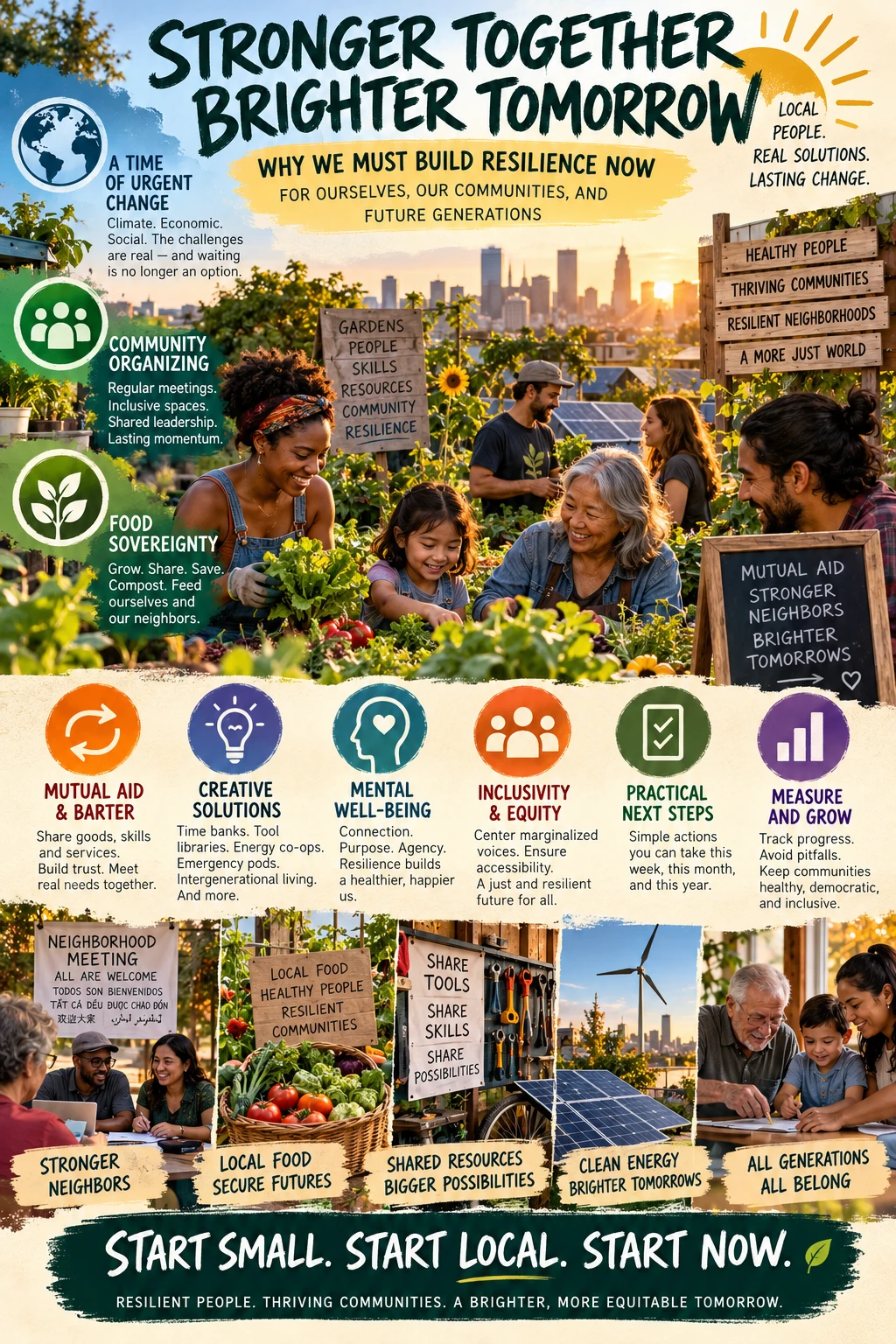
A climate-resilient community needs people who can read a local hazard plan, understand an emissions report, evaluate a policy proposal, question a misleading claim, and explain complex risks in plain language. It needs people who can resist despair without denying reality. It needs people who can respond to fear with preparation, cooperation, and clear thinking.
This is how media literacy becomes adaptive resiliency.
A Civic Practice for the Climate Era
The quote from Teresa Stover, even with uncertain attribution and dated context, points toward a central problem of our time: the battle over public attention.
In the climate era, attention is not a small thing. Attention determines what we notice, what we ignore, what we prepare for, and what we allow to continue. If public attention is captured by fear, spectacle, and propaganda, then the conditions for collective action weaken.
But if attention becomes disciplined, compassionate, and reality-based, then communities can become harder to manipulate and better prepared to act.
That is the deeper invitation.
Do not consume news only as entertainment. Do not let fear become your teacher. Do not confuse cynicism with wisdom. Do not surrender your judgment to institutions, influencers, algorithms, or political tribes.
Learn to read the world carefully.
Ask who benefits. Ask what evidence exists. Ask what is missing. Ask whether fear is being used to clarify reality or control your response to it. Ask how the story connects to power, ecology, democracy, and the future.
The climate and ecological emergency requires citizens who are awake, informed, emotionally grounded, and capable of cooperation.
A democracy cannot protect the future if its people are too distracted, divided, or manipulated to understand the present.
That is why the work of climate action must include the work of media literacy.
And that is why responsible citizenship begins with the courage to question not only what we are told, but how we are being taught to feel about it.
Works Consulted
Gallup, “Trust in Media at New Low of 28% in U.S.,” October 2, 2025.
Reuters Institute for the Study of Journalism, “Digital News Report 2025,” June 17, 2025.
Pew Research Center, “How Americans’ trust in information from news organizations and social media sites has changed over time,” October 29, 2025.
propaganda is psychological…
Share This Story, Choose Your Platform!
About the Author: cCc